

Look, I’m not going to pretend I woke up one morning and suddenly became a productivity machine. That’s not how life works. What actually happened was far less glamorous but way more effective. I stumbled into these habits accidentally, tested them over years, and watched them slowly rewire how I think, work, and live.
Most life-changing advice sounds boring. Nobody wants to hear “drink water” or “go to bed early.” But here’s the thing these simple habits have done more for my mental clarity, energy, and overall happiness than any expensive course or complicated system ever could.
| Habit | Time Required | Primary Benefit | Difficulty Level |
|---|---|---|---|
| Morning Hydration | 2 minutes | Energy boost, metabolism | Easy |
| Two-Minute Rule | Varies | Reduced procrastination | Easy |
| Evening Preparation | 10 minutes | Stress reduction | Moderate |
| Daily Movement | 15-30 minutes | Physical and mental health | Moderate |
| Gratitude Practice | 5 minutes | Improved outlook | Easy |
| Single-Tasking | Throughout day | Better focus | Challenging |
| Learning Commitment | 30 minutes | Personal growth | Moderate |
| Digital Boundaries | Throughout day | Reduced anxiety | Challenging |
| Acts of Kindness | 5 minutes | Social connection | Easy |
| Consistent Sleep Schedule | 7-8 hours | Overall wellbeing | Moderate |
Why Small Habits Beat Big Goals Every Time
Before we dive in, let me explain why small habits matter more than grand resolutions. Research published in the European Journal of Social Psychology found that forming a new habit takes anywhere from 18 to 254 days, with 66 days being the average. The simpler the habit, the faster it sticks.
I used to set massive goals every January. Lose 30 pounds. Write a book. Learn three languages. By February, I’d abandoned everything and felt worse than before. Sound familiar?
The game changed when I stopped chasing dramatic transformations and started stacking tiny behaviors onto things I already did. One small win led to another. Before I knew it, those micro-changes had added up to something genuinely life-altering.
Starting Each Morning With Water Before Anything Else
This sounds almost too simple to matter, but hear me out. For years, my morning routine started with coffee. Then more coffee. By noon, I was dehydrated, foggy, and wondering why I felt terrible despite sleeping eight hours.
Now, I drink a full glass of water within five minutes of waking up. Not because some wellness guru told me to, but because my body needs it after eight hours without hydration. Your brain is about 75% water, and even mild dehydration affects concentration and mood.
The habit took maybe three days to stick. I just put a water bottle on my nightstand. When my eyes open, the bottle is right there. No willpower required.
What changed? My energy levels in the morning improved noticeably within the first week. That groggy, slow-to-start feeling I’d accepted as normal? Turns out it was partly just thirst.
The Two-Minute Rule That Eliminated My Procrastination
Here’s a rule that sounds gimmicky but actually works: if something takes less than two minutes, do it immediately. Don’t add it to a list. Don’t save it for later. Just handle it.
I picked this up from productivity writer David Allen, and it’s probably saved me hundreds of hours of mental clutter. That email response? Sent. Those dishes in the sink? Washed. That form I need to sign? Done.
The magic isn’t in the two minutes themselves. It’s in what happens to your brain when small tasks stop piling up. Every unfinished item occupies mental real estate. When you clear those micro-tasks instantly, you free up cognitive space for work that actually matters.
I was skeptical at first. Two minutes? What difference could that make? But after a month of applying this rule consistently, I noticed something wild: my to-do list got shorter, not because I was working more, but because I was working smarter.
Preparing Tomorrow the Night Before
The morning routines of successful people don’t actually start in the morning. They start the night before. I learned this the hard way after years of chaotic mornings spent searching for keys, deciding what to wear, and scrambling to remember what I needed to do.
Now, every evening around 9 PM, I spend about ten minutes getting tomorrow ready. I lay out clothes, review my calendar, write down three priority tasks, and make sure my bag is packed. Barbara Corcoran from Shark Tank reportedly does something similar she makes her to-do list before leaving the office each evening.
This habit transformed my mornings from stressful to calm. When I wake up, decisions have already been made. I’m not burning mental energy on trivial choices before 8 AM. Instead, I can ease into the day, which sets a completely different tone for everything that follows.
Moving My Body for at Least 20 Minutes Daily
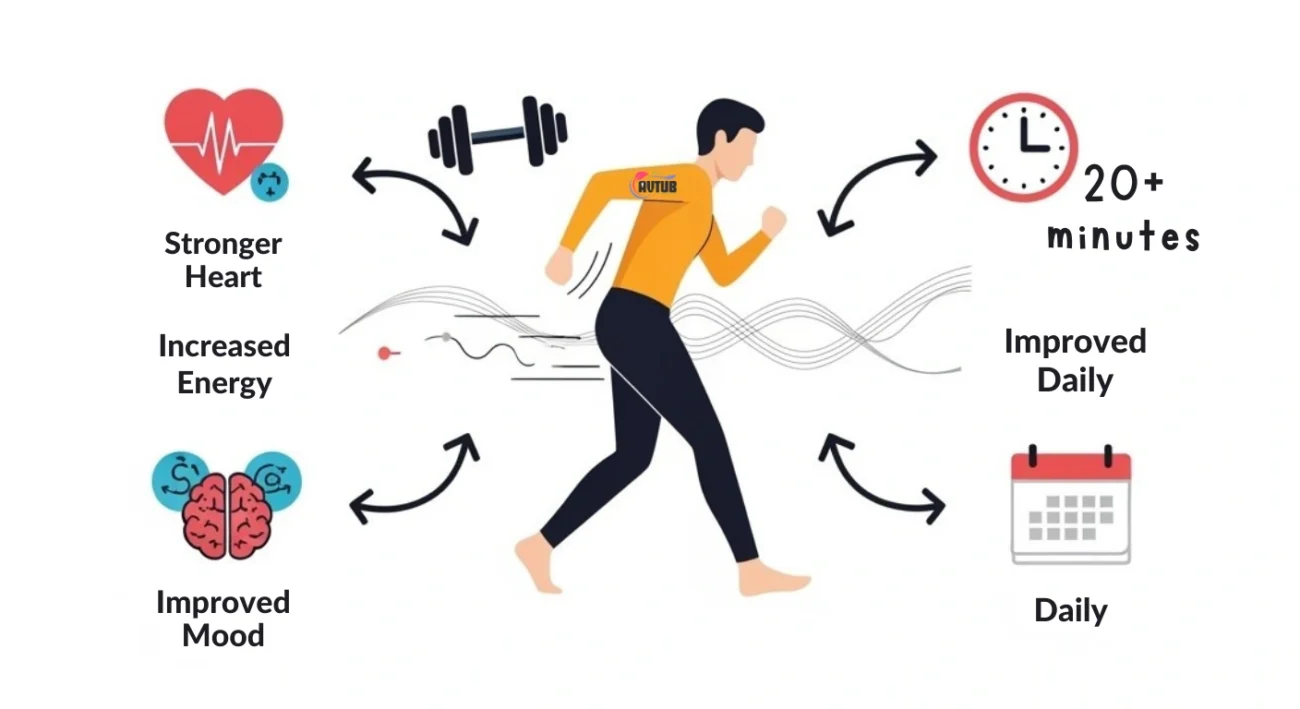
I’m not talking about crushing it at the gym for two hours. That’s great if you’re into it, but for years that all-or-nothing mentality kept me sedentary. I figured if I couldn’t do a “real” workout, why bother?
Then I committed to just 20 minutes of movement daily. Sometimes it’s a walk around the neighborhood. Sometimes it’s stretching in my living room. Occasionally it’s actual exercise. The point isn’t intensity; it’s consistency.
According to research on lifestyle medicine, regular physical activity reduces the risk of chronic diseases and improves mental health significantly. But what sold me wasn’t the science it was how different I felt after just two weeks. Less anxious. More energetic. Sleeping better. My body clearly needed to move, and I’d been ignoring it for decades.
The trick that made this stick? I attached it to something I already loved. I only listen to my favorite podcasts while walking. Now exercise feels like a treat rather than a punishment.
Writing Down Three Things I’m Grateful For
I know, I know. Gratitude journaling sounds like something from a motivational poster. I resisted this one for years because it felt cheesy and performative. Then I actually tried it consistently for 30 days, and my skepticism evaporated.
Every night before bed, I write three specific things I’m grateful for. Not vague stuff like “my family.” Specific observations like “the way my daughter laughed at her own joke tonight” or “that stranger who held the door when my hands were full.”
Positive psychology research shows this simple practice increases the production of dopamine and serotonin the chemicals that make us feel good. The key is specificity. The more detailed you get, the more your brain engages with the positive memory.
What surprised me most was how this habit changed what I noticed during the day. When you know you’ll need to find three good things by bedtime, you start looking for them. Your brain becomes a scanner for positivity instead of problems.
Doing One Thing at a Time (Seriously, Just One)
We’ve been sold a lie about multitasking. It doesn’t make you more productive. It makes you worse at everything you’re doing simultaneously. I used to pride myself on juggling multiple tasks, but all I was really doing was fragmenting my attention and delivering mediocre results.
Now I practice single-tasking with almost religious devotion. When I’m writing, I’m only writing. When I’m in a conversation, I’m fully present. When I’m eating lunch, the phone is in another room.
This habit was the hardest to build because our entire digital environment is designed to interrupt us. Notifications, tabs, alerts everything competes for attention. But when you protect your focus, something remarkable happens: you get more done in less time, and the quality improves dramatically.
I started with just 25-minute focused blocks. No phone, no email, no distractions. Over time, I’ve extended those blocks to 90 minutes for deep work. The difference in output is staggering.
Dedicating 30 Minutes Daily to Learning Something New
My career and personal growth exploded when I committed to learning something new for just 30 minutes each day. That’s less time than most people spend scrolling social media. Yet over six months, those 30-minute sessions add up to roughly 90 hours of focused learning.
What you learn doesn’t matter as much as the consistency of learning. Some days I read about business. Other days I watch documentaries about history. Sometimes I take an online course or practice a new language.
This habit keeps your brain sharp and curious. Research suggests that continuous learning throughout life helps maintain cognitive function and may even reduce the risk of dementia. But beyond the science, it just makes life more interesting. You become someone who has things to talk about, perspectives to share, and skills to contribute.
Setting Firm Boundaries With Technology
My phone used to be the first thing I reached for in the morning and the last thing I looked at before sleep. I’d check emails during dinner, scroll Instagram during conversations, and wake up to notifications that instantly spiked my anxiety.
Now I have rules. No phone for the first hour after waking. No screens in the bedroom. Phone goes on Do Not Disturb from 8 PM until 8 AM. Social media gets checked once or twice daily, not constantly.
These boundaries felt extreme at first. What if I missed something important? What if someone needed me? Turns out, almost nothing is actually urgent. The world kept spinning while I reclaimed my attention and presence.
The impact on my mental health was immediate and significant. Less comparison. Less anxiety. More presence in actual moments instead of documenting them for others.
Performing One Small Act of Kindness Daily
This habit might sound like it benefits others more than you. It doesn’t. Research shows that acts of generosity create something scientists call a “helper’s high” a neurochemical reward that boosts your own happiness.
My kindness practice is simple. Send one encouraging text. Give a genuine compliment. Hold the door. Leave a positive review for a local business. Buy coffee for the person behind me in line. These micro-actions take seconds but create ripples.
What changed? I started paying attention to people differently. Instead of moving through my day focused entirely on my own agenda, I began noticing opportunities to brighten someone else’s moment. This shifted my entire orientation from self-centered to other-aware, which paradoxically made me happier.
Maintaining a Consistent Sleep Schedule
I saved this one for last because it’s the foundation everything else depends on. You can’t out-habit bad sleep. If you’re chronically underslept, your willpower, focus, mood, and health all suffer.
Jeff Bezos, Arianna Huffington, and many other high performers prioritize eight hours of sleep and waking naturally without an alarm. That last part matters more than you’d think. Waking to an alarm triggers stress hormones and starts your day in fight-or-flight mode.
My sleep transformation required sacrificing late-night TV binges and accepting that nothing good happens after 10 PM anyway. I now go to bed and wake up at roughly the same times every day, including weekends. It took about two weeks for this rhythm to feel natural, and now my body expects sleep at certain hours.
How to Actually Make These Habits Stick
Reading about habits is easy. Implementing them is where most people fail. Here’s what worked for me:
- Start with one habit, not ten. Pick the one that resonates most and focus exclusively on that for at least 30 days before adding another. Trying to change everything at once is a recipe for changing nothing.
- Attach new habits to existing routines. Want to drink more water. Put a bottle next to your toothbrush. Want to read more? Keep a book on your pillow. The easier you make the behavior, the more likely it sticks.
- Track your progress visibly. A simple calendar with X marks for completed days creates accountability. You won’t want to break the chain.
- Expect setbacks and plan for them. Missing one day doesn’t mean failure. Missing two days in a row is when habits start dying. If you slip, recommit immediately.
FAQs
How long does it really take to form a new habit?
Research suggests it takes an average of 66 days for a new behavior to become automatic, though simpler habits may stick in as little as 18 days. The key is daily repetition, not perfection.
Do I need to wake up at 4 AM to be successful?
Absolutely not. While some successful people wake early, others thrive working late. The important thing is consistency in your sleep schedule, not the specific hours.
What if I fail at maintaining a habit?
Failure is part of the process. One missed day doesn’t erase your progress. Just restart the next day without guilt or self-criticism.
Which habit should I start with?
Start with the one that seems easiest or addresses your biggest pain point. Early wins build momentum for harder changes.
Can small habits really make a big difference?
Yes. Researchers found that habits control nearly 40-50% of our daily behaviors. Small changes compound over time into significant life transformations.
Final Thought
Life-changing transformation doesn’t require heroic effort or dramatic overhauls. It requires small, consistent actions repeated until they become automatic. These ten habits took me years to discover and implement, but you don’t have to take that long. Pick one. Start today. Give it 30 days. Then come back and pick another. A year from now, you’ll be glad you started. Five years from now, you’ll be a completely different person. Not because you did anything extraordinary, but because you did small things extraordinarily consistently. That’s the real secret successful people don’t always share: their achievements weren’t built on motivation or willpower. They were built on habits so small they almost felt pointless until they weren’t.