
AVTub is open for lifestyle guest contributions, and this is the page that tells you exactly how to get published with us. We run features on lifestyle, Health and Wellness, travel, beauty, home, self-improvement, and the small daily habits that add up to a better week. If you have a draft sitting in a folder or an idea you keep meaning to write, send it to theavtub@gmail.com and a member of our editorial team will walk you through the rest.
We read every pitch a real person sends. We are based in Los Angeles and our readers are mostly in the United States, so the angles that land best are written for an American audience: dollar pricing, US seasons, US habits, and references our readers actually recognize.
Browse what we already publish before you pitch:
What “Write For Us Lifestyle” Means at AVTub
A guest post is an original article you write for our readers, published under your name with a short author bio. You are not buying placement and you are not filling space. You are adding something our regular readers will stop and read, and in return you reach our audience and earn a credited byline.
The lifestyle space is crowded, so we hold a simple bar every accepted piece has to teach, show, or solve something specific. A post titled “10 Morning Habits” gets passed over. A post about the three things that actually changed your 6 a.m. routine, with what each one cost you and what it gave back, gets read and shared. We care more about a real, narrow story than a wide, generic one.
Topics We Accept
We publish across the full lifestyle range. If your draft fits one of these and brings a fresh angle, we want to see it.
- Lifestyle and daily living – routines, habits, time management, minimalist living, work-life balance, and the unglamorous logistics of a good week.
- Health and wellness – mental health, sleep, stress, movement, and preventive habits. Practical and evidence-aware, never diagnostic.
- Yoga and meditation – beginner-friendly practice guides, breathwork, mindfulness at the desk, and honest takes on what helped you stay consistent.
- Travel – US road trips, weekend escapes, budget breakdowns in USD, packing systems, and slow-travel guides with real costs.
- Beauty and skincare – routines, ingredient explainers, product comparisons, and seasonal skin advice. No miracle claims.
- Fashion and style – capsule wardrobes, men’s and women’s basics, sustainable shopping, and styling on a budget.
- Home and interiors – small-space ideas, organization systems, budget upgrades, and renters’ fixes.
- Personal growth – productivity, money habits, relationships, confidence, and the slow work of changing one thing at a time.
- Food and simple recipes – weeknight cooking, meal prep, and approachable nutrition for busy people.
Explore Our Blog Posts
Loading posts…
If your topic sits next to this list but is not on it, pitch it anyway. We would rather read a strong idea outside the lines than reject a good writer on a technicality.
Who Can Write For Us
You do not need a media degree, a verified blue check, or ten years of bylines. We have published first-time writers next to working editors, and our readers cannot tell the difference when the writing is honest.
We look for two kinds of contributors. The first is the practitioner a yoga teacher, a nutritionist, a travel agent, a stylist, a budgeting coach, someone who does the thing every day and can write from inside the work. The second is the careful storyteller someone who tried something, paid attention, and can explain what they learned without inflating it.
What both share is specificity. The writers we publish most often name real numbers, real brands, real mistakes, and real outcomes. If you can tell us what a thing cost, how long it took, and what you would do differently, you are already most of the way to a yes.
Beginners are genuinely welcome. If your draft has a good idea but rough edges, our editors will send notes rather than a rejection, and you will leave the process a stronger writer.
Why Write For AVTub
There are plenty of sites accepting guest posts. Here is what you actually get by publishing with us instead.
- A real audience. AVTub reaches a large monthly readership concentrated in the global, so your piece is read by people who can act on it, not parked on a dead page.
- A credited byline and author profile. Your name, your bio, and a link back to your site or social profile sit on a permanent author page.
- Editorial feedback that helps. Our editors read closely and send specific notes. Writers tell us the feedback is worth as much as the publication.
- Social amplification. Accepted pieces get shared across our channels:
[X / @theavtub]·[YouTube / @theAVTub]·[Facebook / theavtub]. - A portfolio link you can show. A live, edited article on an established lifestyle site is something you can point an employer or client to.
We are not promising overnight fame. We are promising a fair read, a clean edit, and a real audience, which is more than most open submission pages deliver.
Submission Guidelines:
These are the rules that decide whether your draft moves quickly or sits in the queue. Reading them before you send saves both of us a round of email.
Original and Unpublished:
Your article has to be yours and it has to be new. We do not accept content posted anywhere else, including your own blog, Medium, or LinkedIn. We run drafts through ✓ plagiarism detection Copyscape / ZeroGPT and spot-check against search results. Spun or lightly reworded content gets declined on sight. If a piece was published before and you have rewritten it substantially, tell us up front and we will judge it on the new material.
Written for People, Not Just Search Engines
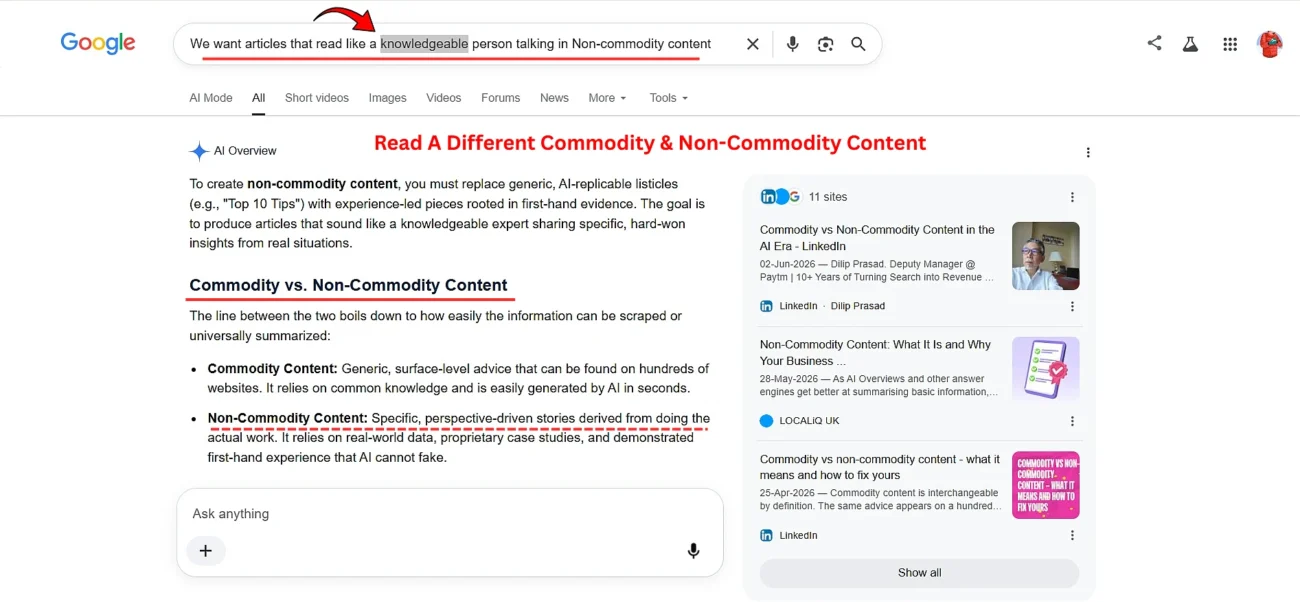
We want articles that read like a knowledgeable person talking, not a list of keywords wearing a paragraph. Naturally worked-in search terms are fine and expected. Stuffing is not. If a sentence exists only to repeat a phrase, cut it.
Length and Depth:
Aim for 1,000 to 2,000 words for a standard lifestyle piece. In-depth guides can run to 2,500. Shorter how-to posts are fine at 800 words if every line earns its place. We measure depth by usefulness, not by word count, so do not pad a thin idea to hit a number.
One Specific Anchor:
Build the piece around one concrete case, product, trip, routine, or mistake rather than a survey of everything. A post anchored to “the $40 humidifier that fixed my winter skin” outperforms “the best ways to hydrate your skin” every time, because it gives the reader something they can actually copy.
Sourcing and Accuracy:
If you state a fact, a statistic, or a health claim, it needs to be true and, where it matters, linked to a credible source a government health page, a peer-reviewed study, or a recognized institution. [Example authority source - Healthy Diet] We do not publish unverified medical advice, miracle cures, or “studies show” with no study.
Links:
You may include one or two relevant outbound links that genuinely help the reader, plus your bio link. Links have to fit the topic and point to useful, non-spammy destinations. We do not accept guest posts written purely to place a link, and we remove links to casinos, payday loans, adult sites, and unrelated commercial pages.
Images:
Articles with visuals get read longer. Send at least one high-quality, properly licensed image, and more if the piece needs them. Royalty-free, your own photography, or images you have rights to, with attribution where required. We do not publish stolen stock or watermarked previews. Recommended size is at least 1,200 pixels wide so it renders cleanly on desktop and mobile.
Clean Grammar:
Proofread before you send. We will copy-edit, but a draft full of errors signals a draft that was not cared about, and it slows everything down. Read it out loud once; you will catch most of the problems.
Formatting Your Article
Good formatting is the difference between a post people finish and a post people bounce from. Match this and your draft needs less editing.
- Use one H1 for the title only. We add it from your headline, so you do not need to format it yourself.
- Break the body with H2 headings every few hundred words, and use H3 subheadings under them where a section has parts.
- Keep paragraphs short – two to four sentences. Walls of text lose mobile readers.
- Use bullet points and numbered lists for steps, comparisons, and anything scannable.
- Pull out a quote or a key line as a callout when it deserves emphasis.
- Write a clear intro that tells the reader what they will get in the first two sentences. No long windup.
- Close with a short takeaway, not a generic “in conclusion” paragraph.
Send the article as a Google Doc (preferred) or a Word document so we can leave comments and track edits. Include your proposed title, a one-line meta description, and your target keyword at the top of the doc.
What We Don’t Accept
Knowing what gets rejected is faster than guessing. We pass on:
- Content published elsewhere, spun, or AI-generated with no human expertise or editing.
- Thinly disguised ads, press releases, or pieces written only to drop a link.
- Health or finance claims with no credible source.
- Posts about gambling, adult content, drugs, weapons, or anything off-brand for a lifestyle site.
- Overly broad listicles with no specific angle, no real examples, and nothing the reader cannot find on the first page of any search.
- Drafts riddled with grammar errors that read like a rushed first pass.
If your piece avoids all of the above and brings one genuinely useful idea, you are in good shape.
How to Submit Your Guest Post
The process is short and you talk to a real editor at every step.
- Email your idea or draft to theavtub@gmail.com. A one-line pitch is enough to start, but a finished draft moves fastest.
- We reply with a yes, a no, or notes. If the topic fits, we will either approve it or ask for a small reshape before you go further.
- Send the full article as a Google Doc, with your title, meta description, target keyword, images, and bio included.
- We edit and confirm. Our team copy-edits, may send a revision request, and confirms a publish window with you.
- You go live. Your article publishes under your byline with your author bio and approved link, and we share it across our social channels.
Most pitches get a first reply within a couple of business days. If you have not heard back within a week, send a polite follow-up to the same address sometimes email gets buried.
Author Bio and Backlink Policy
Every published contributor gets a short author bio (50 to 100 words) and a permanent author page. In the bio you may include one link to your website, portfolio, or main social profile. Bio links are editorial credit, not advertising, so they should point to you, not to a sales page.
In-article links follow the guideline above: one or two, topic-relevant, useful. We reserve the right to adjust or remove links that do not serve the reader, and we will tell you when we do.
FAQs
How long should my article be?
Between 1,000 and 2,000 words for most pieces, up to 2,500 for in-depth guides, and as short as 800 words for tight how-tos. Depth and usefulness matter more than the exact count.
Can I include a link to my website?
Yes. One or two relevant in-article links plus a bio link, as long as they help the reader and fit the topic. Purely promotional or off-topic links are removed.
What lifestyle topics perform best with your readers?
Specific, copy-able pieces a real budget travel breakdown in USD, a skincare routine that fixed an actual problem, a small-space organization system someone reproduced, a morning routine with honest before-and-after detail. Narrow and concrete beats broad and generic every time.
Do you accept beginner writers?
Yes. If the idea is strong and the writing is sincere, we will edit and coach rather than reject. A rough draft with a real story is more welcome than a polished piece that says nothing.
Can I republish my article elsewhere after it goes live?
We ask for exclusivity for 60 days after publication so the piece ranks cleanly for both of us. After that, you may republish with a clear credit and link back to the AVTub original as the first-published source.
How will I know if my piece was accepted?
You will hear from a real editor by email, usually within a few business days, with an approval, a decline, or notes. Silence is never a “no” it usually means follow up.
What format should I send the draft in?
A Google Doc is ideal because we can comment inline. A Word document works too. Include your title, meta description, keyword, images, and bio in the same file.
Do I need to add images myself?
Please do. Send at least one licensed, high-quality image (your own, royalty-free, or properly attributed). Articles with strong visuals hold readers longer and get published faster.
Will you edit my work?
Yes, lightly for clarity, grammar, and house style. We do not change your meaning or your voice without checking with you. Significant changes come back to you first.
Search Terms That Bring Writers to This Page
If you found us by searching for guest post opportunities in the lifestyle space, these are the queries that lead here. Use them to find AVTub and similar sites.
- write for us lifestyle
- lifestyle write for us
- lifestyle “write for us”
- “write for us” + lifestyle
- write for us lifestyle guest post
- lifestyle blog write for us
- write for us lifestyle and travel
- healthy lifestyle write for us
- write for us health and wellness
- wellness write for us guest post
- write for us beauty and skincare
- fashion write for us
- write for us yoga and meditation
- travel write for us United States
- “write for us” inurl:lifestyle
- intitle:”write for us” lifestyle
- become a contributor lifestyle blog
- submit a guest post lifestyle
- lifestyle guest blogging opportunities US
- self improvement write for us
Start Your Submission
Send your pitch or your finished draft to theavtub@gmail.com and tell us a little about who you are. We read everything, we reply, and we genuinely like meeting new writers.
✉ Email: theavtub@gmail.com
❥ Follow AVTub: [X / @theavtub] · [YouTube / @theAVTub] · [Facebook / theavtub]
Recent Avtub Posts
Loading posts…