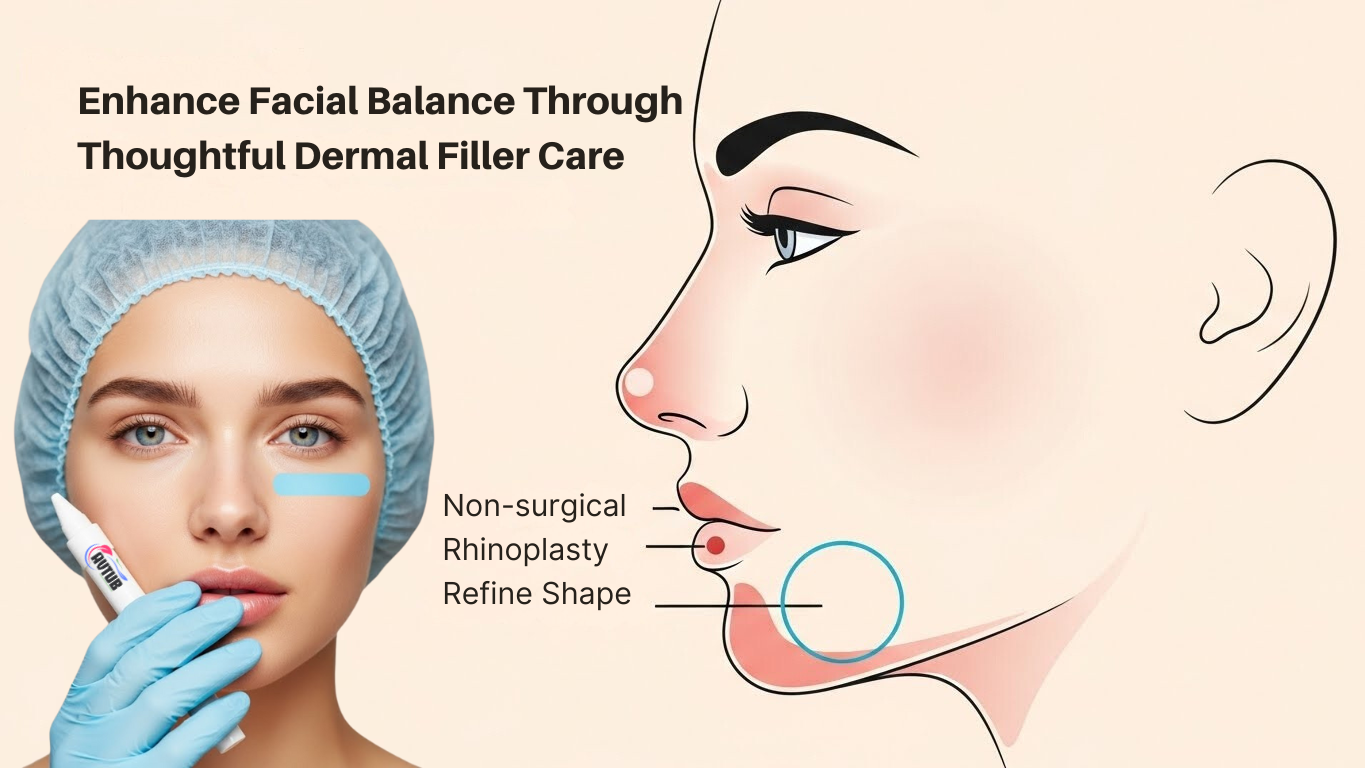
Facial balance is one of those ideas that sounds a bit abstract until you start to notice it in yourself. A small hollow under the eyes, a line around the mouth that seems deeper on one side, or cheeks that no longer feel as full as they once did can change how a face looks, even when nothing else is obviously wrong. Many people tell me they do not want to look different, just more like themselves again, which is a very human thing to want.
In an aesthetic clinic, dermal filler care is often discussed in this quiet, practical way. It is not about creating a new face. It is more about supporting what is already there and bringing back some of the soft structure that time, stress, or weight changes may have taken away. When done thoughtfully, fillers can help the face feel more balanced, which in practice often means more comfortable and familiar when you look in the mirror.
Why Facial Balance Matters More Than Volume
During consultations, the topic of Singapore dermal fillers tends to come up right in the middle of a longer conversation about asymmetry, tiredness, or feeling that one side of the face looks heavier than the other. That is usually when it becomes clear that balance, not just volume, is the real goal.
Faces are not perfectly symmetrical to begin with. Over time, small differences can become more noticeable as skin loses support and fat shifts. One cheek may flatten more than the other, or one side of the jaw may soften faster. Fillers are often used to gently correct these imbalances rather than to simply add fullness everywhere.
In practice, this kind of targeted approach often looks more natural because it respects the original shape of the face.
How Dermal Fillers Work Within the Skin
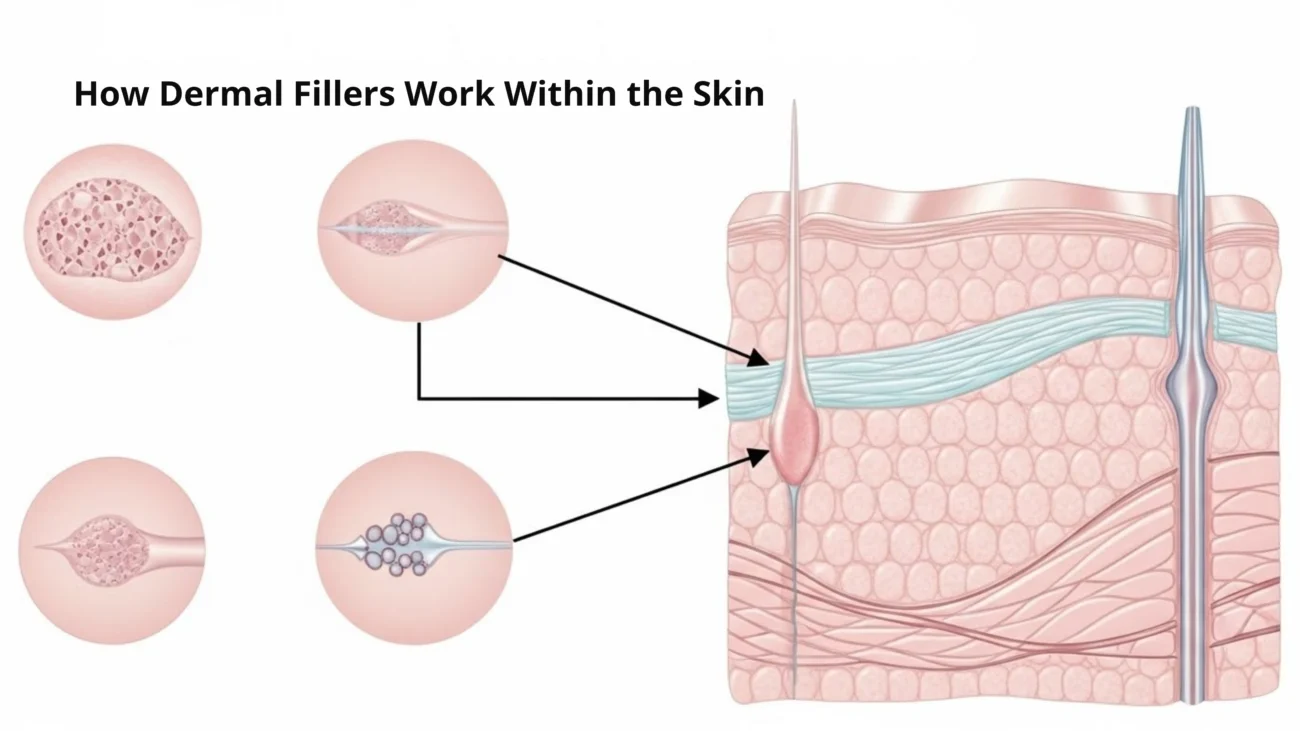
Dermal fillers are gel like substances placed into specific layers of the skin to provide support, lift, or subtle contour. Most modern fillers are designed to blend with the skin rather than sit on top of it. They hold water and create a cushion that supports the tissue above.
Over time, the body gradually breaks down the filler. This is part of what makes the process feel safer for many people. Changes are not permanent, and adjustments can be made later if needed.
What people often find surprising is that fillers can also stimulate some collagen production around the treated area. This may contribute to longer term improvement in skin texture and firmness, even after the filler itself starts to fade.
Choosing Where and How Much to Treat
One of the most important parts of filler care is deciding where to place it. More is not always better. Sometimes a small amount in a strategic area can make a bigger difference than adding volume everywhere.
For example, supporting the cheek can soften lines around the mouth without directly filling those lines. Restoring a bit of structure near the jaw may make the lower face look more lifted overall.
This kind of planning takes experience. In practice, it is more like sculpting than simple filling, and it is one of the reasons careful assessment matters so much.
The Role of Skin Quality in Filler Results
Skin quality influences how fillers look and feel. Thicker, healthier skin tends to hold filler smoothly. Thinner or more sun damaged skin may show irregularities more easily.
Because of this, filler care is often combined with other treatments that support skin health. Improving hydration, texture, or collagen can make filler results look more natural.
I have noticed that people who focus on skin quality as well as volume often end up happier with their overall appearance.
Subtle Changes That Affect the Whole Face
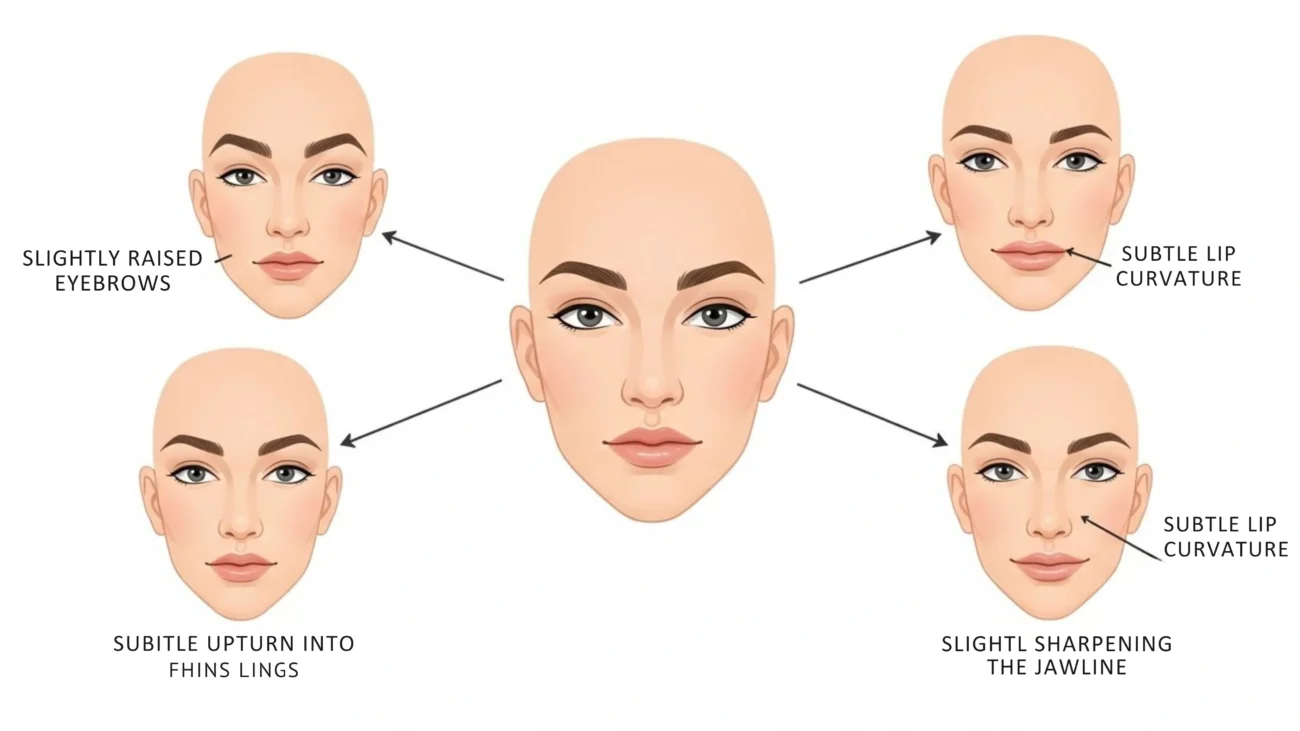
What I find interesting is how small adjustments can change the way a face is perceived. A slight lift in the mid face can make eyes look more awake. Softening a hollow can reduce shadows that make someone look tired.
These changes are often not obvious to others, but they can make a person feel more confident. That sense of looking rested rather than altered is what many people hope for.
In practice, it is these subtle shifts that usually bring the most satisfaction.
What to Expect After Treatment
After filler treatment, some swelling or mild bruising may occur. This is normal and usually settles within a few days. The face may look slightly fuller at first, which can feel strange, but this often softens as the filler integrates into the tissue.
Results are not always immediately final. As swelling goes down and the filler settles, the face can change slightly. Follow up visits help assess whether small adjustments are needed.
It is a process, not a single moment.
Emotional Reactions to Seeing Changes
Seeing your face change, even in a positive way, can be emotionally complex. Some people feel excited, while others need time to get used to it.
I have had patients say they were unsure at first, then a week later they realized they liked how they looked in photos again. That kind of delayed appreciation is more common than you might think.
How Long Do Fillers Last
Fillers are not permanent. Depending on the type used and where it is placed, results may last from several months to over a year. Metabolism, facial movement, and lifestyle all play a role.
Because of this, maintenance is usually part of the plan. Some people come back for small top ups, while others wait until most of the filler has faded before repeating treatment.
In practice, this flexibility allows care to adapt as the face changes.
When to Seek Professional Help
- Noticeable facial asymmetry that feels new or worsening
- Loss of volume that affects facial balance
- Lines or hollows that make the face look tired
- Uncertainty about whether fillers are appropriate
- Previous filler results that did not feel quite right
A Thoughtful Way to Approach Facial Balance
Dermal filler care works best when it is guided by a clear idea of what balance means for each person. It is not about copying someone else’s features. It is about supporting what makes your own face look harmonious.
Unfortunately, rushed treatments or overly aggressive filling can disrupt this balance. A slower, more careful approach tends to produce results that feel more comfortable and familiar.
FAQs
Will dermal fillers make my face look unnatural?
When used thoughtfully and in appropriate amounts, fillers usually blend into the face rather than stand out.
Is there downtime after filler treatment?
There may be mild swelling or bruising for a few days, but most people return to normal activities quickly.
Can fillers be adjusted if I do not like the result?
In many cases, yes. Small adjustments can be made, and some fillers can be partially dissolved if needed.
How soon will I see the final result?
Initial changes are visible right away, but the final look usually settles over one to two weeks.
Are fillers only for older people?
Not necessarily. Some younger people use fillers to correct asymmetry or enhance facial balance.
Final Thought
If you are curious about how dermal fillers might support your own facial balance, a consultation at an aesthetic clinic can help explore what subtle changes could be helpful for you. Talking through your goals and concerns often makes it easier to decide whether filler care fits into your overall approach to looking and feeling more like yourself again.