


Hey, have you ever wondered who really calls the shots when it comes to worldwide health decisions, It’s a fascinating question one that pops up a lot online. “Power” here isn’t about who can perform the trickiest surgery or diagnose the rarest disease. It’s about who shapes policies, directs billions in funding, leads responses to global crises, and ultimately affects the health of millions (or billions) of people.
Contents
Top Contenders
1. Dr. Tedros Adhanom Ghebreyesus:
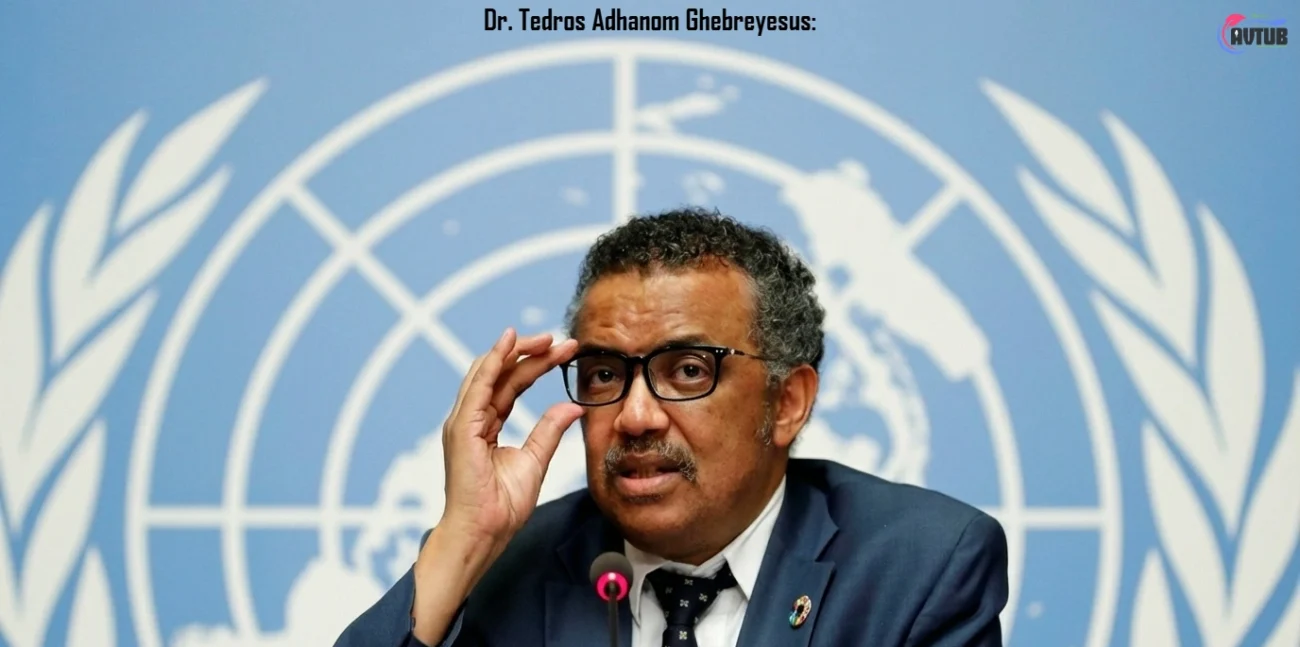
- Role: Director-General of the World Health Organization (WHO).
- Key Character Points:
- Crisis Commander: Define by his leadership through major global turmoil, specifically guiding the world through the COVID-19 pandemic and Ebola outbreaks in the DRC.
- Global Diplomat: Possesses high-level diplomatic influence with direct access to heads of state and major donors, representing 194 member countries.
- Mission-Driven: Focuses deeply on large-scale eradication initiatives (like polio) and strengthening healthcare systems in developing nations.
2. Dr. Anthony Fauci:
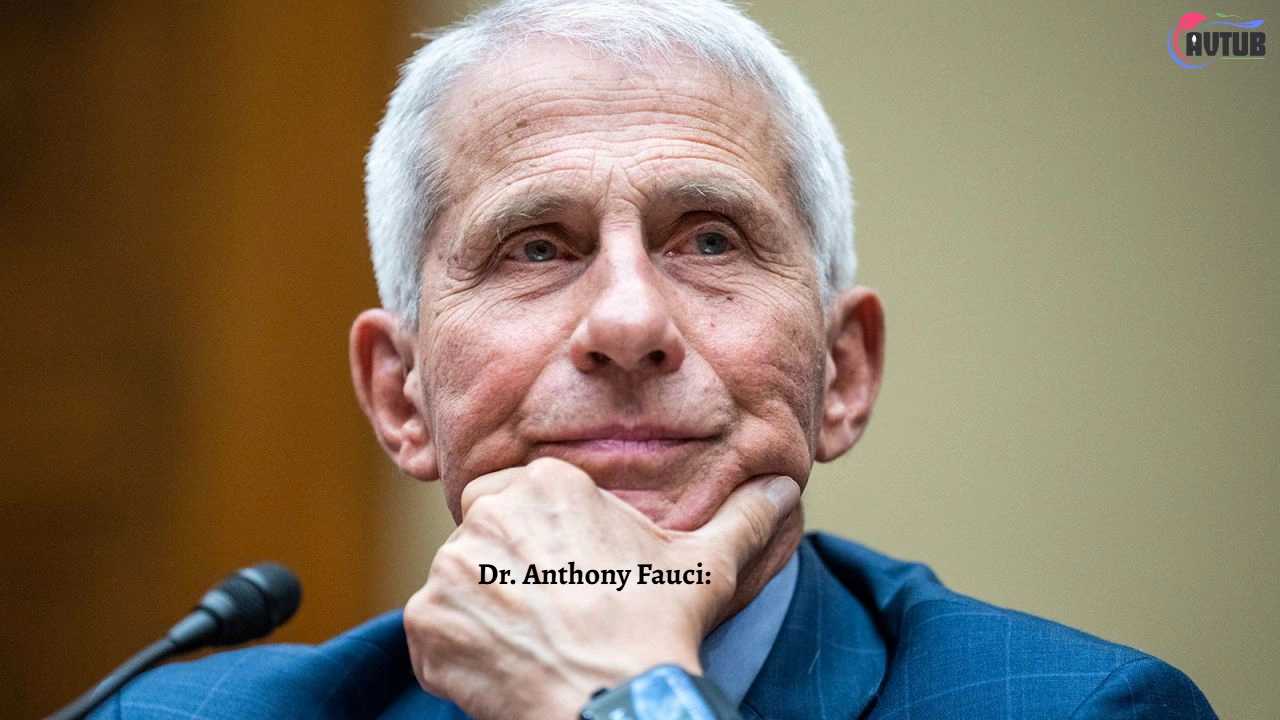
- Role: Former head of the U.S. National Institute of Allergy and Infectious Diseases (NIAID); retired from government but active in public health.
- Key Character Points:
- Enduring Authority: Described as a “household name,” indicating a level of fame and trust that transcends typical medical circles.
- Shaper of History: His “personality” in the field is defined by longevity, having shaped the global response to HIV/AIDS, Ebola, and COVID-19 over decades.
- Public Advocate: Even in retirement, he remains an active influencer through advocacy and leadership in major health programs rather than quietly stepping back.
3. Dr. Chris Elias:
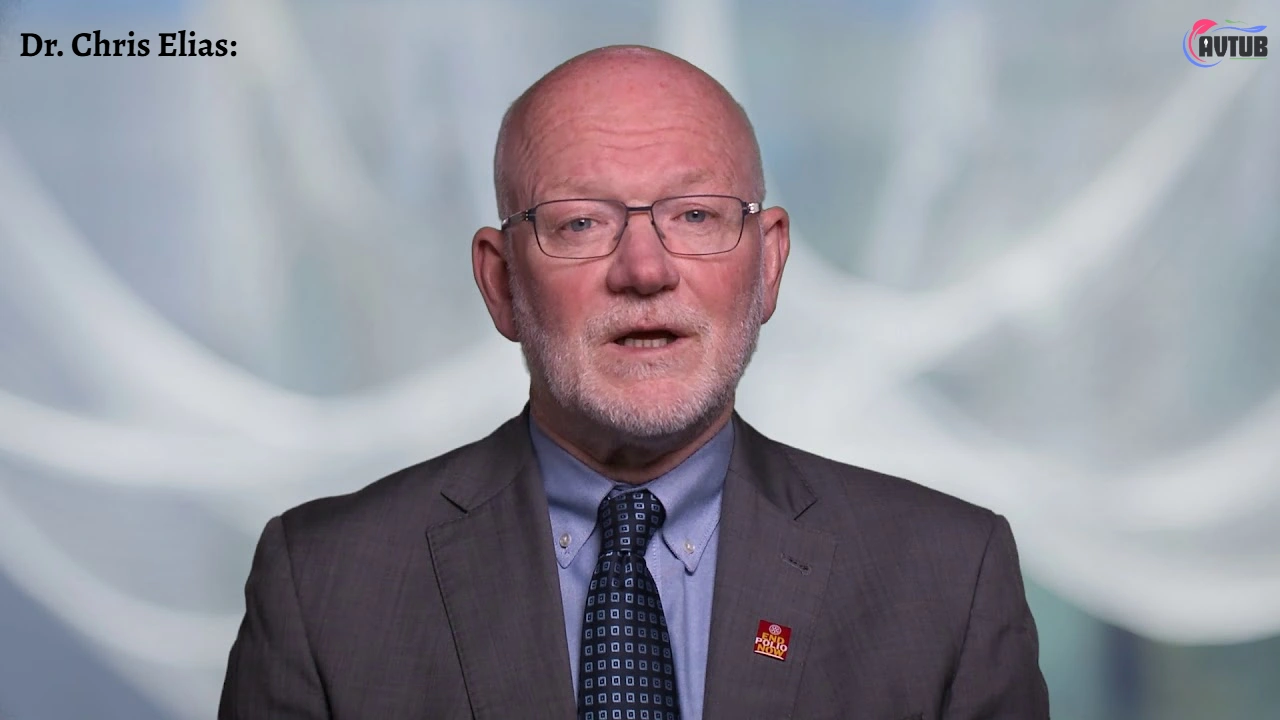
- Role: President of the Global Development Division at the Bill & Melinda Gates Foundation.
- Key Character Points:
- Strategic Overseer: His power lies in management and oversight, specifically controlling programs for vaccine delivery, maternal health, and disease control.
- Agenda Setter: Because he manages funds that often outspend entire countries, he effectively dictates the “global health agenda,” deciding which health issues get priority.
4. Dr. Githinji Gitahi:
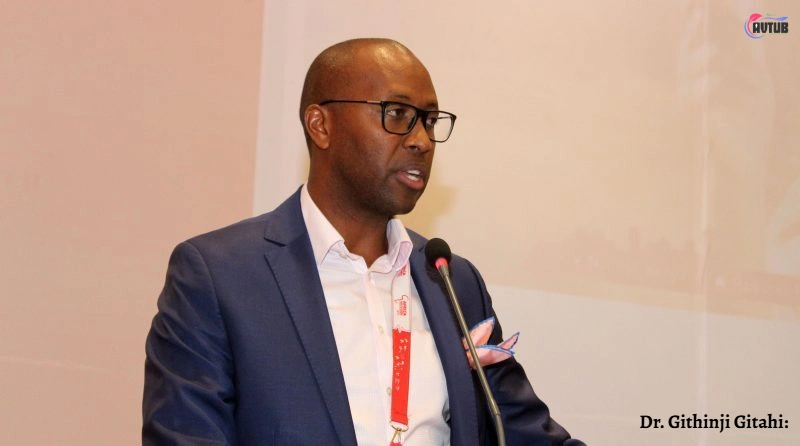
- Role: Group CEO of Amref Health Africa.
- Key Character Points:
- Community Champion: distinct from the others by his focus on “community-based health care” rather than just top-down policy.
- Collaborator: Known for engaging diverse groups—bridging the gap between corporate interests and government stakeholders.
- Innovator: His leadership style emphasizes sustainability and the empowerment of local health workers rather than just external aid.
5. Dr. Jeremy Farrar:
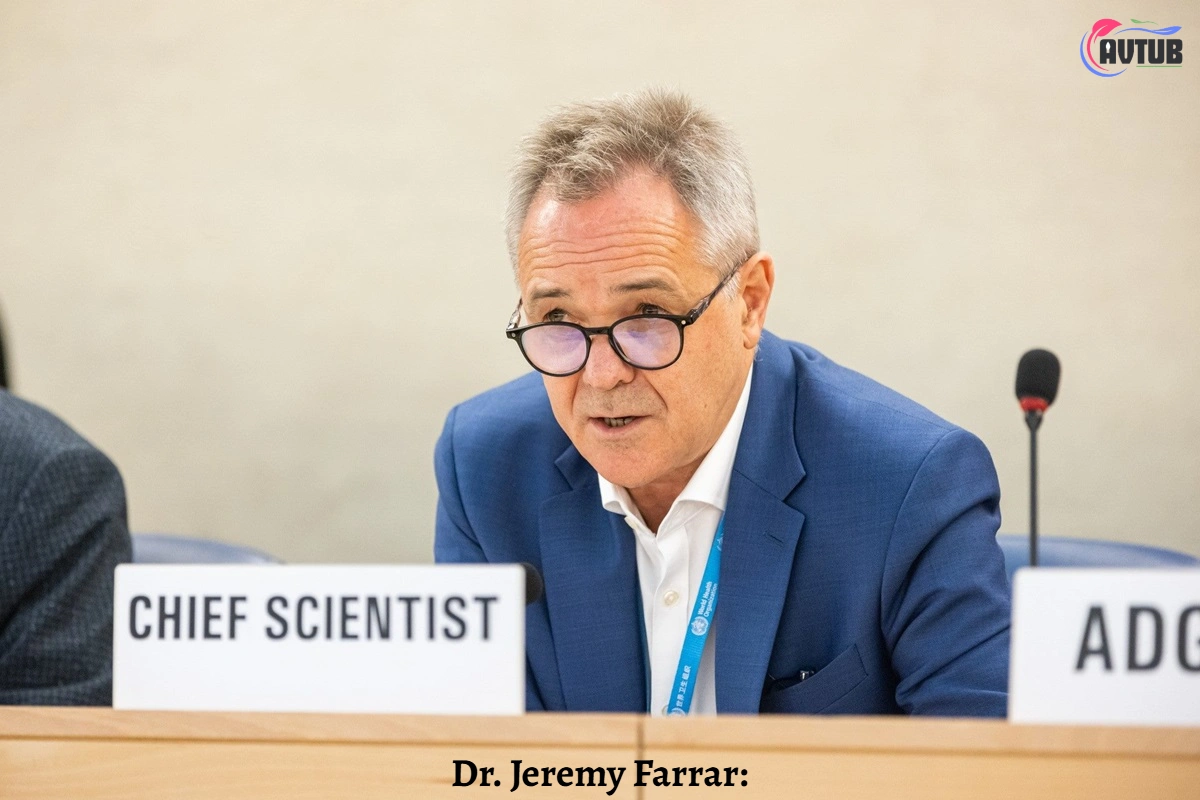
- Role: WHO’s Chief Scientist (formerly led the Wellcome Trust).
- Key Character Points:
- Scientific Visionary: His influence is rooted in “scientific innovation” and research.
- Director of Priorities: He holds a directive personality in the field, determining exactly what research priorities member states should focus on worldwide.
- Transitioner: Shows adaptability, moving from funding (Wellcome Trust) to direct scientific leadership at the WHO.
6. Bill Gates (Honorable Mention):
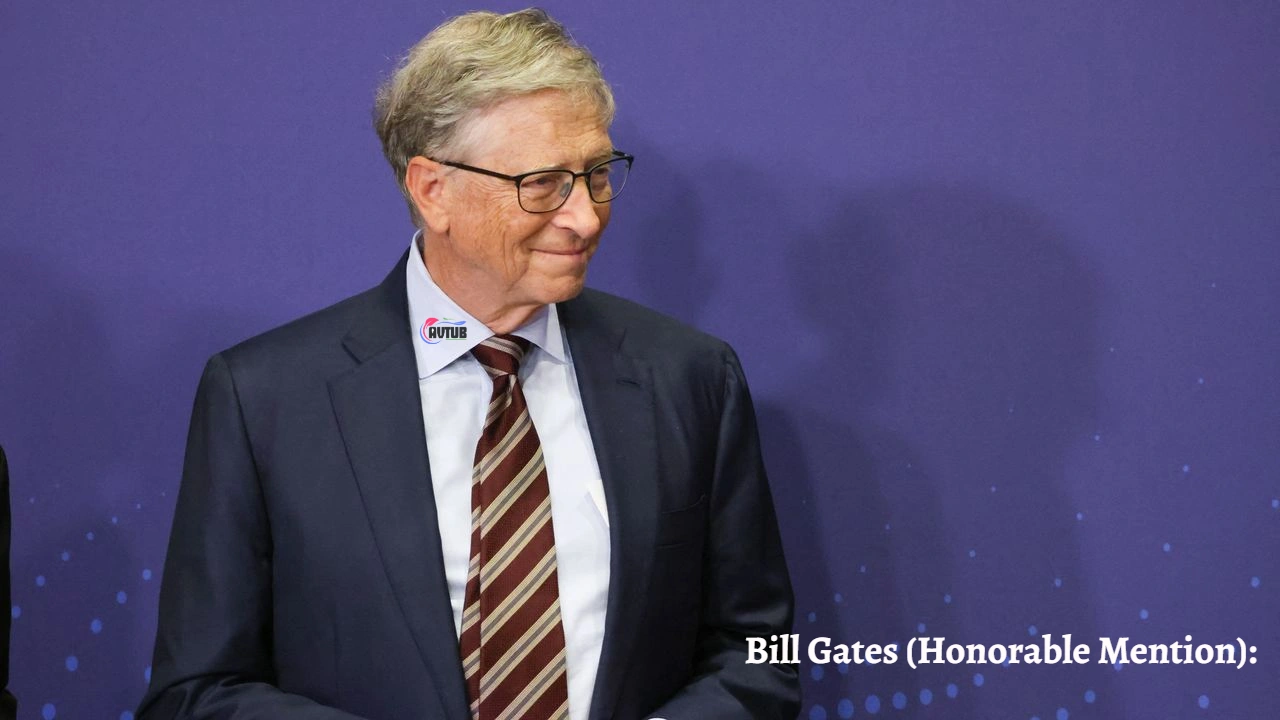
- Role: Co-chair of the Bill & Melinda Gates Foundation.
- Key Character Points:
- Resource Mobilizer: Described as having “unparalleled sway” due to the immense financial volume he invests (billions of dollars).
- System Shaper: Though not a doctor, his influence shapes the structure of global health (vaccine development, disease eradication) more than many medical professionals.
- Strategic Partner: Operates through high-level partnerships (specifically with the WHO) to deploy resources effectively.
Download the PDF – Peer-Nominated Top 100 Most Powerful Doctors: