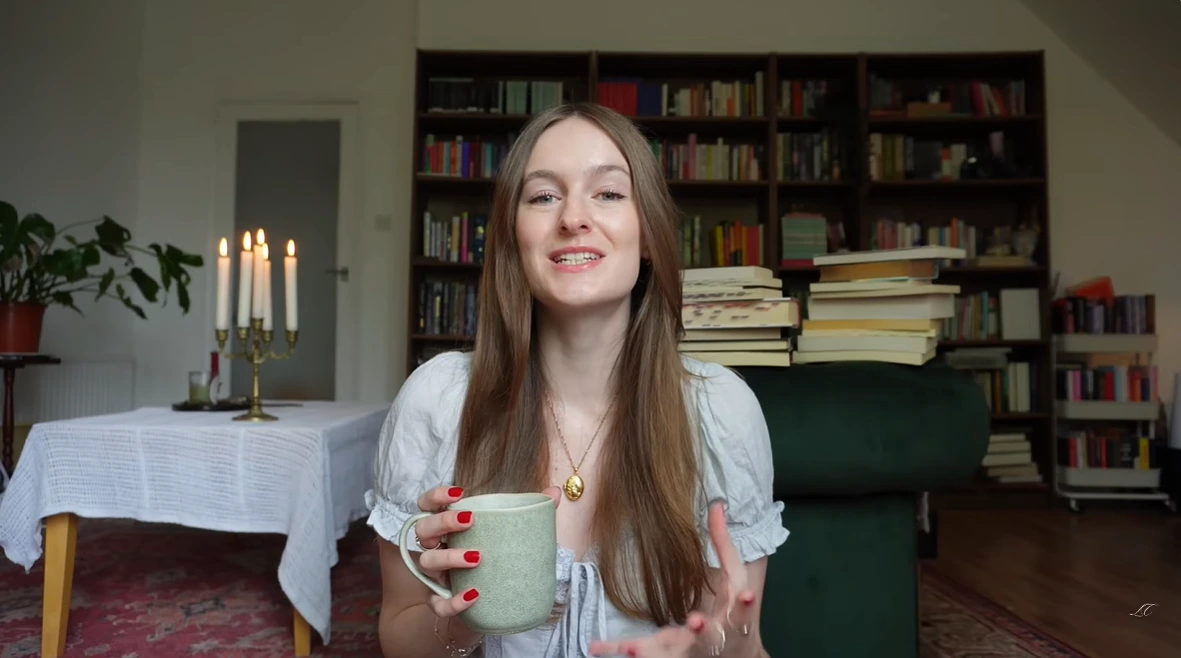
My copy of Anna Karenina has a coffee ring on page 212 and a cracked spine from being dropped in the bath. It has survived two house moves and one ex who swore he’d give it back. No release from the past decade has earned that kind of abuse from me, and that’s roughly the whole case for the traditional and classical literature books to read for bibliophiles. The old ones are the ones you keep.
A women magazine is admittedly a strange place for a Tolstoy pitch. Readers point this out to us all the time, usually in the same message where they ask which translation to buy. But nobody writes about marriage, money, bad decisions, and wanting more from your one life better than the long dead.
Start With the Greeks (No, Really)
Homer Holds Up:
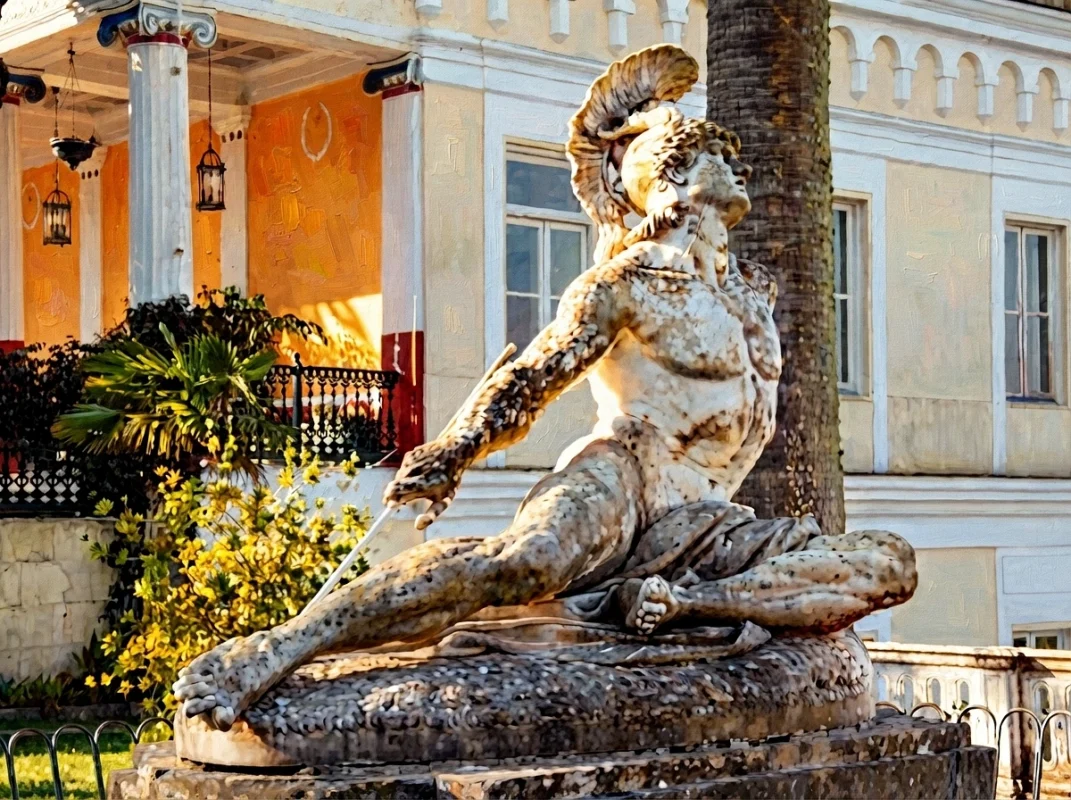
The Iliad and the Odyssey are pushing three thousand years old and move faster than half the prize winners on my shelf. The Iliad is the angry one, a meditation on rage and grief in which the gods behave considerably worse than the soldiers. The Odyssey is the one to start with, though. Ten years of monsters, shipwrecks, and one man’s stubborn crawl home to his wife. Every road trip story you’ve ever loved is quietly stealing from it.
Get Emily Wilson’s translation. It’s in plain, muscular English, and it made me finish the Odyssey in a week after two failed attempts with older versions.
The Tragedies Take One Evening Each
Oedipus Rex runs well under a hundred pages and still lands like a punch. A king investigates a crime and slowly realizes he’s the criminal. Freud built half a career on it. Antigone is even shorter, a young woman against the state, and it gets assigned in political philosophy classes for good reason.
Greek tragedy works on one brutal idea: suffering isn’t punishment, it’s tuition. You pay it either way. Might as well learn something.
Shakespeare Without the Fear
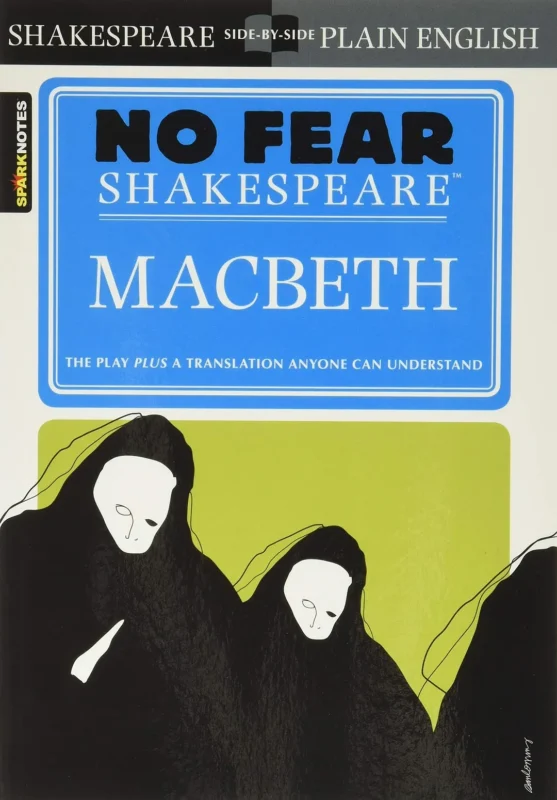
The Early Modern English scares people off, and honestly, the fear is overblown. Buy an annotated edition, accept that some lines need a footnote, and William Shakespeare opens right up. His grip on jealousy, ambition, and love survives any language gap.
Where to start, in order of my actual recommendations:
- Much Ado About Nothing, because Beatrice and Benedick are the sharpest couple ever written and their insult matches ruin modern rom-coms for you
- A Midsummer Night’s Dream, pure chaos and mistaken identity, genuinely funny on the page
- Hamlet, once you’re warmed up, since grief and indecision have never been written better
I’d hold off on The Merchant of Venice as an entry point. It needs more historical scaffolding than a first date with Shakespeare should require.
The Nineteenth Century, Where Fiction Grew Teeth
Jane Austen Is Meaner Than You Remember:
Jane Austen gets misfiled as light romance constantly, which would have amused her. Her novels are precise studies of self-deception and money panic among people with lovely manners. Pride and Prejudice is the famous one. Emma is the clever one, a book that tricks you into sharing the heroine’s blind spots before pulling the rug.
Full confession: I didn’t like Emma at nineteen. She’s exhausting. That’s the entire point, and nobody warned me, so I’m warning you.
The Russians, Attempt Three:
I abandoned War and Peace twice. The third try, one long housebound January, it finally took, and I’d defend it now with my fists. But start smaller. Anna Karenina first, the most complete portrait of a woman boxed in by convention that fiction has produced. Then Crime and Punishment, Dostoevsky’s fever dream about guilt, which reads disturbingly like a thriller.
Pick a modern translation and don’t fall down the comparison rabbit hole. Arguing about Russian translations is a hobby in itself, and not the one you signed up for.
Virginia Woolf, Briefly and Sincerely
Virginia Woolf rewired the novel. Her stream of consciousness style in Mrs Dalloway and To the Lighthouse captures how thinking actually feels, memory and perception bleeding into each other mid-sentence. Nothing before her reads like her. Very little after her does either.
Her essay A Room of One’s Own belongs on this list too. It’s the founding argument that creative work requires money and privacy, made with equal parts rigor and style, and it hasn’t dated an inch.
How This Actually Gets Done
Every failed classics project I’ve witnessed, including my own two War and Peace casualties, died from the same mistakes. What works instead:
- Go short first. Greek plays and Austen before any Russian doorstops.
- Twenty pages a night beats weekend binges. That pace clears Anna Karenina in about six weeks.
- Spend on annotation. A good edition of Shakespeare or Homer converts frustration into footnote curiosity.
- Quit books & reading that fight you. Dostoevsky will still be there in five years. Swap to Woolf and circle back.
If you take one thing from this whole list, take Much Ado About Nothing. It’s short, it’s funny, and Beatrice has been setting an impossible standard for four hundred years. That’s the entire pitch.