The average bathroom shelf holds more anti-aging products than most people would care to admit. Serums, night creams, eye rollers, the occasional jade tool that seemed like a good idea at checkout. Yet the face in the mirror keeps changing anyway. An anti-aging clinic approaches the problem from a different angle entirely, and once you understand how skin ages, the difference stops being subtle.
What Happens to Your Face as It Ages
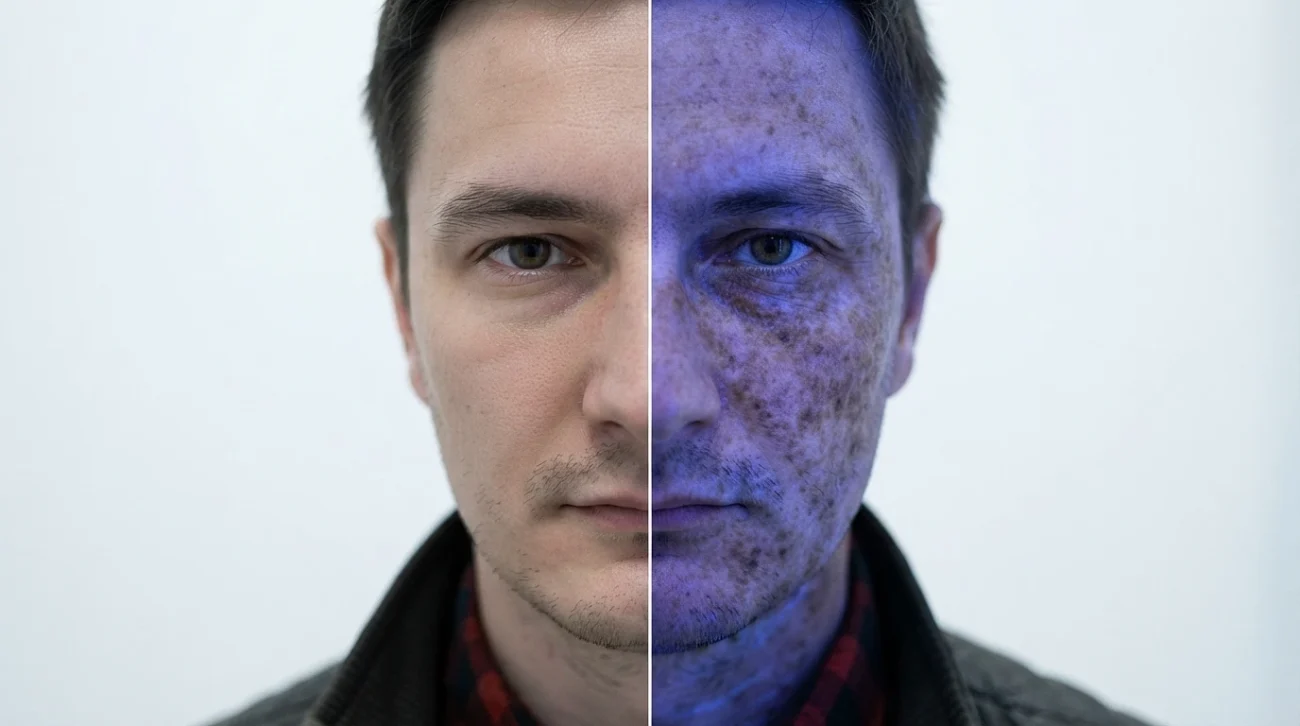
Wrinkles get all the attention, but they’re only one piece of a much bigger process. Skin aging happens on several levels at the same time:
- Volume loss. The fat pads beneath your skin shrink and shift downward. Cheeks hollow out, and the jawline loses its clean edge.
- Expression lines. Decades of raising your eyebrows or squinting into the sun leave grooves that no longer fade when your face relaxes.
- Sun damage. UV exposure breaks skin down at the cellular level long before anything shows on the surface. Dermatologists can spot years of accumulated photoaging under magnification while the skin still looks fine to the naked eye.
- Thinning. The outer layer of skin gradually becomes thinner with age, which makes every other change more visible.
None of these problems respond to a moisturizer. They’re structural, and structural problems need structural solutions.
Why Creams Stall at the Surface
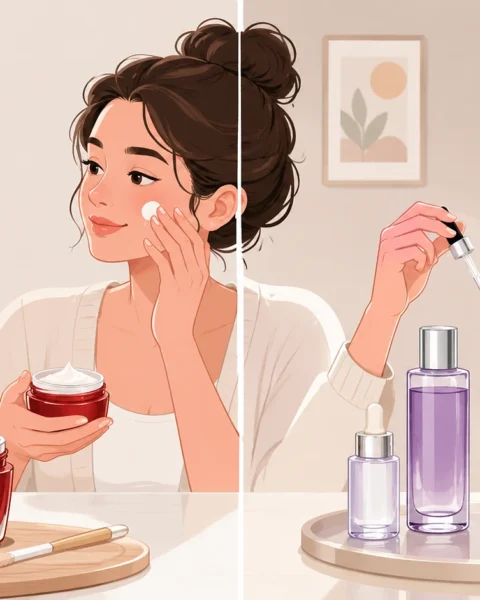
Your skin’s outer layer, the stratum corneum, exists to keep things out. Bacteria, pollutants, moisture loss. It does that job extremely well, which is unfortunate news for the serum that cost you a week’s grocery budget.
Most skincare ingredients are simply too large to pass through this barrier in any meaningful amount. They sit on the surface, hydrate the top layer, and give skin a temporary plumpness that rinses off. It feels nice. It just doesn’t change anything underneath.
The Collagen Problem No Product Solves
Collagen is the protein scaffolding that keeps skin firm, and your body produces less of it every year from your mid-twenties onward. The decline is slow at first, then it becomes noticeable, usually right around the time people start panic-buying products.
No topical cream rebuilds collagen at any real depth, whatever the packaging implies. Rubbing product into aging skin and expecting firmness is a bit like taking protein powder without ever lifting a weight. The raw material means nothing without a trigger.
How an Anti-Aging Clinic Works Differently
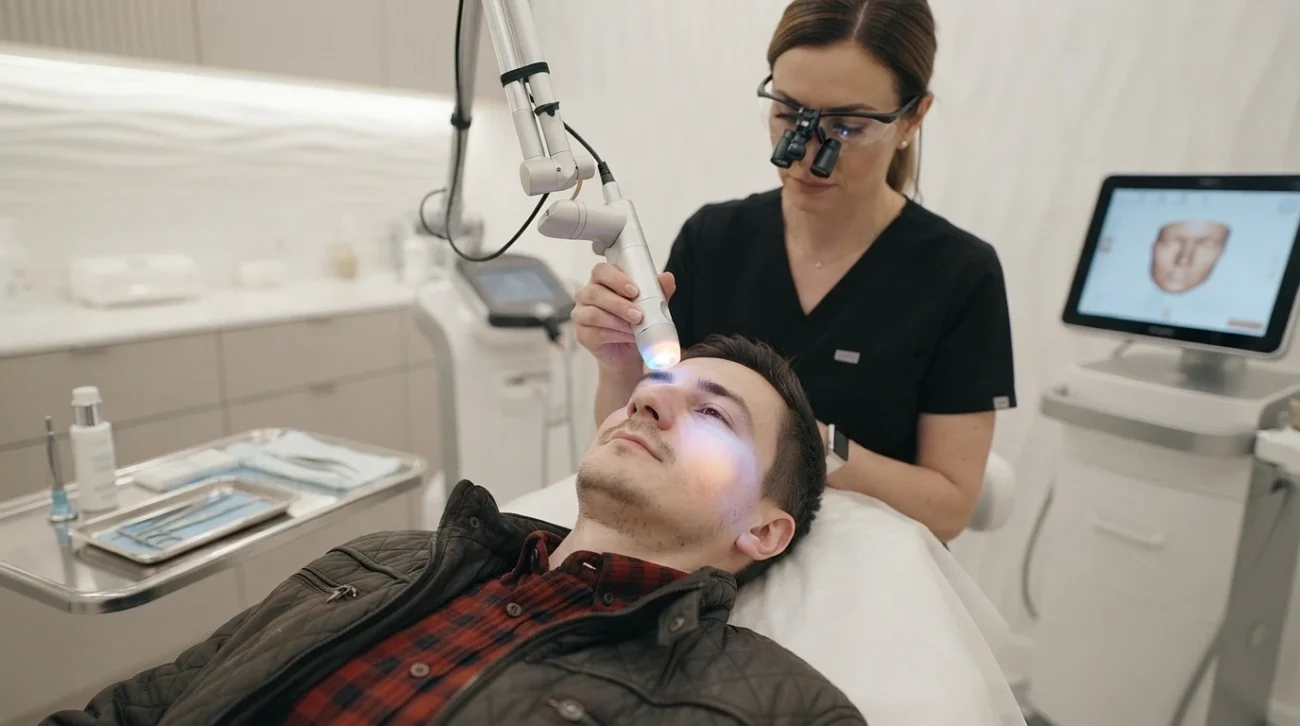
Clinic treatments succeed because they stop trying to sneak past the skin barrier. They work with your body’s own repair response instead, using controlled stimulation to force skin to rebuild itself.
Microneedling:
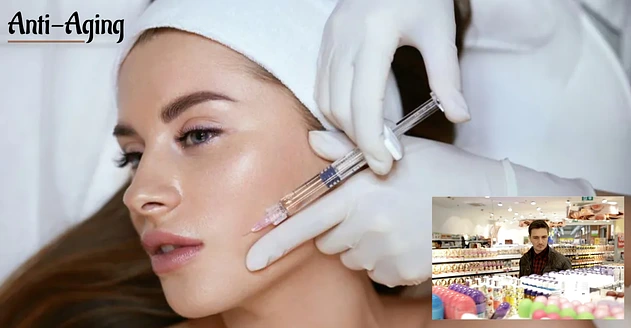
Fine needles create thousands of microscopic channels in the skin. Two things happen as a result. Active ingredients can finally reach living cells, and the tiny injuries kick off a wound-healing cascade that keeps producing fresh collagen for weeks.
Laser and Radiofrequency Treatments:
These devices deliver heat deep into the dermis, the layer where collagen and elastin live. The heat causes existing fibers to contract and signals the body to start remodeling the tissue. The surface stays largely untouched while the real work happens underneath.
Chemical Peels:
A peel removes damaged outer layers in a controlled way. As the skin heals, it rebuilds with fresher, more evenly pigmented tissue. Depth ranges from light lunchtime peels to deeper medical-grade versions, which is one reason professional supervision matters so much.
A Trained Eye Catches What You Miss
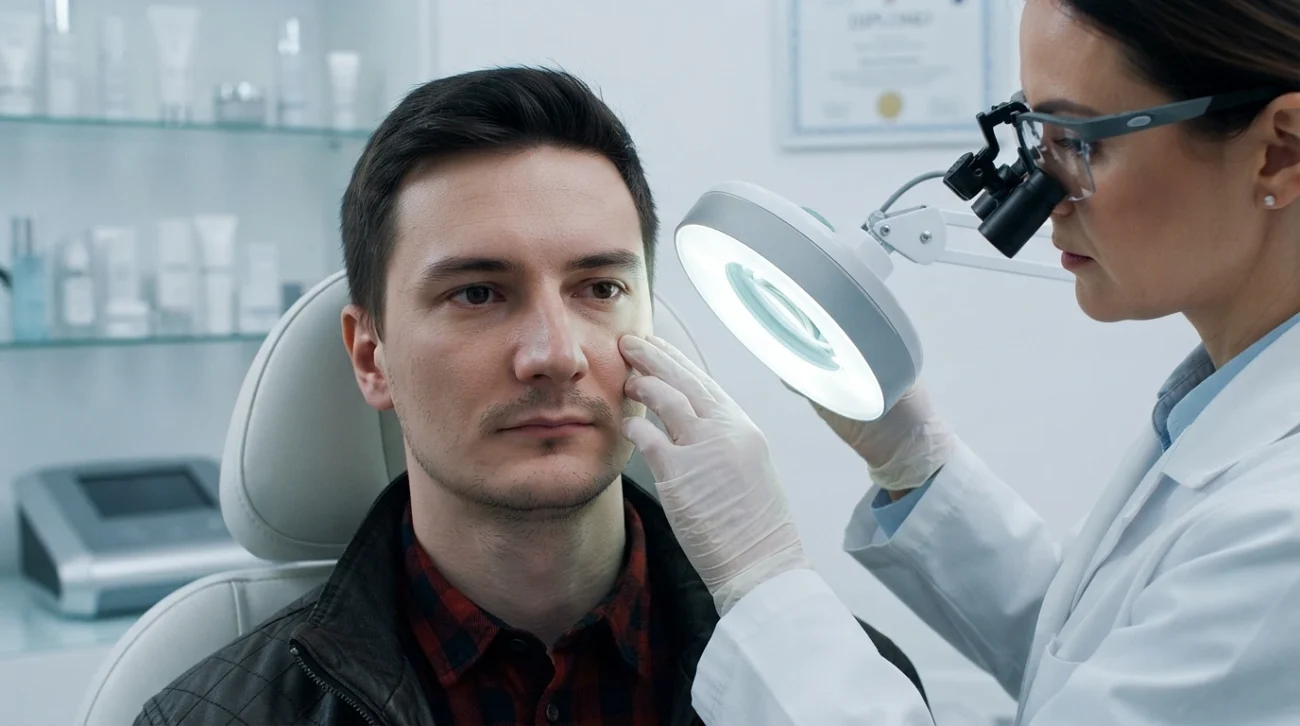
Self-diagnosing skin problems rarely goes well. A qualified practitioner at an anti-aging clinic evaluates things most people never think about:
- Early elasticity loss that hasn’t produced visible sagging yet.
- Whether wrinkles stem from sun damage, dehydration, or structural breakdown, since each one needs a different fix.
- Skin thickness, which varies widely between individuals and changes which treatments are safe or effective.
- Inflammation and circulation issues that quietly undermine skin quality.
That assessment is the difference between a targeted plan and expensive guesswork. Plenty of beauty counters will happily sell you the guesswork.
Treatments That Build on Each Other
Sequencing matters more than most people realize. A practitioner knows which treatments amplify one another and which ones clash if scheduled too close together. Laser resurfacing paired with prescription retinoids and well-timed injectables can produce cumulative results that no single treatment reaches on its own. Random product layering at home can’t replicate that kind of planning.
Results That Keep Improving After You Leave
Clinic treatments come with a delayed payoff that surprises first-timers. Collagen remodeling continues for weeks after a session, so skin often looks better at the one-month mark than it did the day after treatment.
Maintenance is lighter than people expect too. Once results stabilize, occasional touch-up visits keep progress in place. Compare that with skincare products, which stop contributing anything the moment you stop buying them.
The Confidence Factor
Real improvement feels different from good lighting or a flattering filter. Texture smooths out. Skin picks up a natural brightness that doesn’t wash away at night. You still look like yourself, just a rested, healthier version, and that tends to change how you carry yourself everywhere else.