Acne actives in the US are regulated as over-the-counter drugs. The FDA sets which ingredients are allowed and at what strength. So the 2% salicylic acid in a $9 Neutrogena wash is the same drug, at the same concentration, as the 2% salicylic acid in something three times the price. The molecule has no idea what packaging it arrived in.
Which kills the version of this question most people are asking. La Roche-Posay isn’t stronger. It can’t be. What it sells is everything wrapped around the active, and whether that’s worth $25 extra depends entirely on how your particular face behaves.
What Each Brand Actually Offers
| La Roche-Posay | Neutrogena | |
|---|---|---|
| Origin | French pharmacy brand | American drugstore brand |
| Core acne line | Effaclar | Oil-Free Acne, Stubborn Acne, Rapid Clear |
| Main actives | Salicylic acid, benzoyl peroxide, LHA, adapalene | Salicylic acid, benzoyl peroxide, adapalene |
| Supporting formula | Thermal spring water, niacinamide, zinc, ceramides | Simpler bases, some with hyaluronic acid |
| Fragrance | Mostly fragrance-free | Varies by product |
| Typical price | $15 to $40 | $8 to $15 |
| Availability | Target, Ulta, CVS, Amazon | Every drugstore in the country |
| Built for | Sensitive, reactive, easily irritated skin | Oily, resilient skin on a budget |
Who Should Pay The Extra
Reactive Skincare, basically. If treatments have historically left you red, flaking, or stinging, the niacinamide and thermal water in the Effaclar base are doing measurable work. That’s not marketing.
The practical version of this argument is about quitting. Loads of people abandon acne treatments around week two because their face hurts, then conclude the product didn’t work. It probably would have. Eight weeks of something tolerable beats nine days of something aggressive, every time, and the gentler formula is essentially buying yourself the ability to keep going.
Also worth it if you’re already dry, or already on a prescription retinoid. Stacking a harsh drugstore treatment on top of that tends to go badly.
Who’s Wasting Money On It
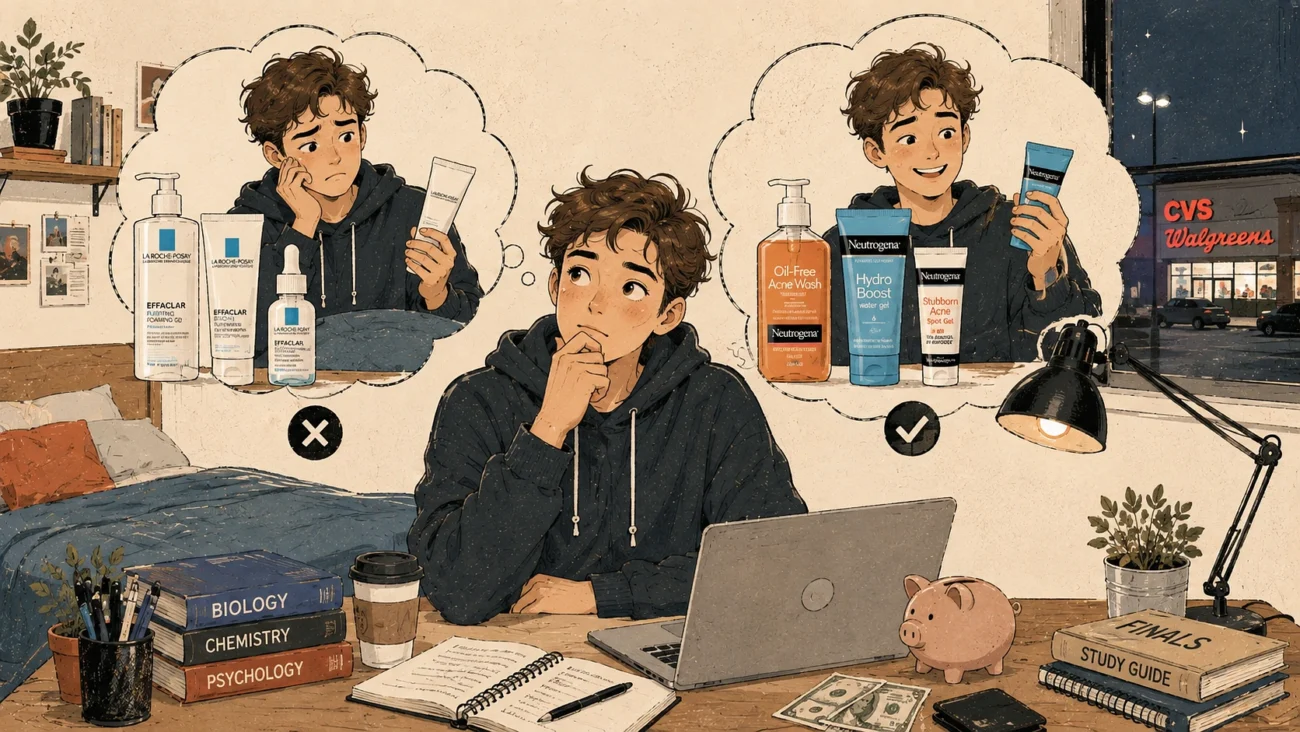
If nothing has ever irritated your skin, you’re paying for protection against a problem you don’t have. Oily, resilient skin does fine on Neutrogena. That’s not a downgrade, it’s just accurate.
And if you’re genuinely broke, buy the cheaper one. I’m not going to pretend otherwise in an article aimed at students. A $10 tube used every night beats a $34 tube you’re rationing because you can’t afford to replace it. Neutrogena also goes up to 10% benzoyl peroxide, which is stronger than most of what La Roche-Posay sells, so the premium brand isn’t even winning on raw potency.
Then there’s the boring practical thing: Neutrogena is in every CVS and Walgreens in America at 11pm.
Which Brand For Your Situation
| Your situation | Better choice | Why |
|---|---|---|
| Skin stings and flakes from treatments | La Roche-Posay | Supporting formula reduces irritation |
| Oily skin, nothing has ever irritated it | Neutrogena | You are not paying for protection you need |
| Tight budget, need results | Neutrogena | Same actives, a third of the price |
| Quit previous treatments from irritation | La Roche-Posay | Tolerable beats strong |
| Deep, painful cystic bumps | Neither, see a doctor | Drugstore products will not touch this |
| Mild occasional breakouts | Neutrogena | No need to overspend |
| Already using a prescription retinoid | La Roche-Posay | Gentler alongside an aggressive active |
Buying From One Brand Is A Marketing Idea
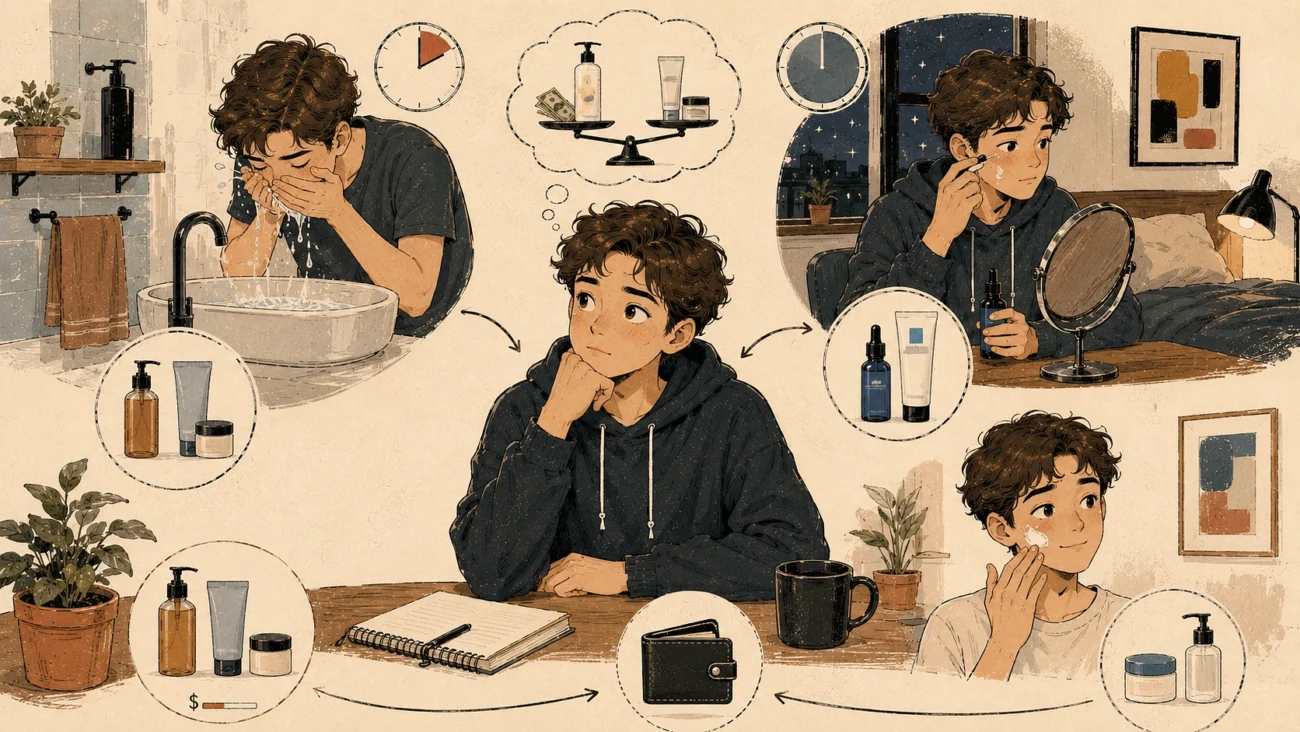
Nobody at a dermatology clinic cares whether your cleanser matches your moisturiser.
Think about contact time. A cleanser is on your face for thirty seconds and then it’s in the drain. The soothing ingredients in an expensive cleanser barely have time to do anything. A treatment sits on your skin for eight hours while you sleep, which is exactly where a gentler base earns back its price difference.
So put your money where the product actually lingers. Cheap cleanser, decent treatment, cheap moisturiser.
A Student Routine, Mixing Brands
| Step | When | Sensible pick | Rough cost |
|---|---|---|---|
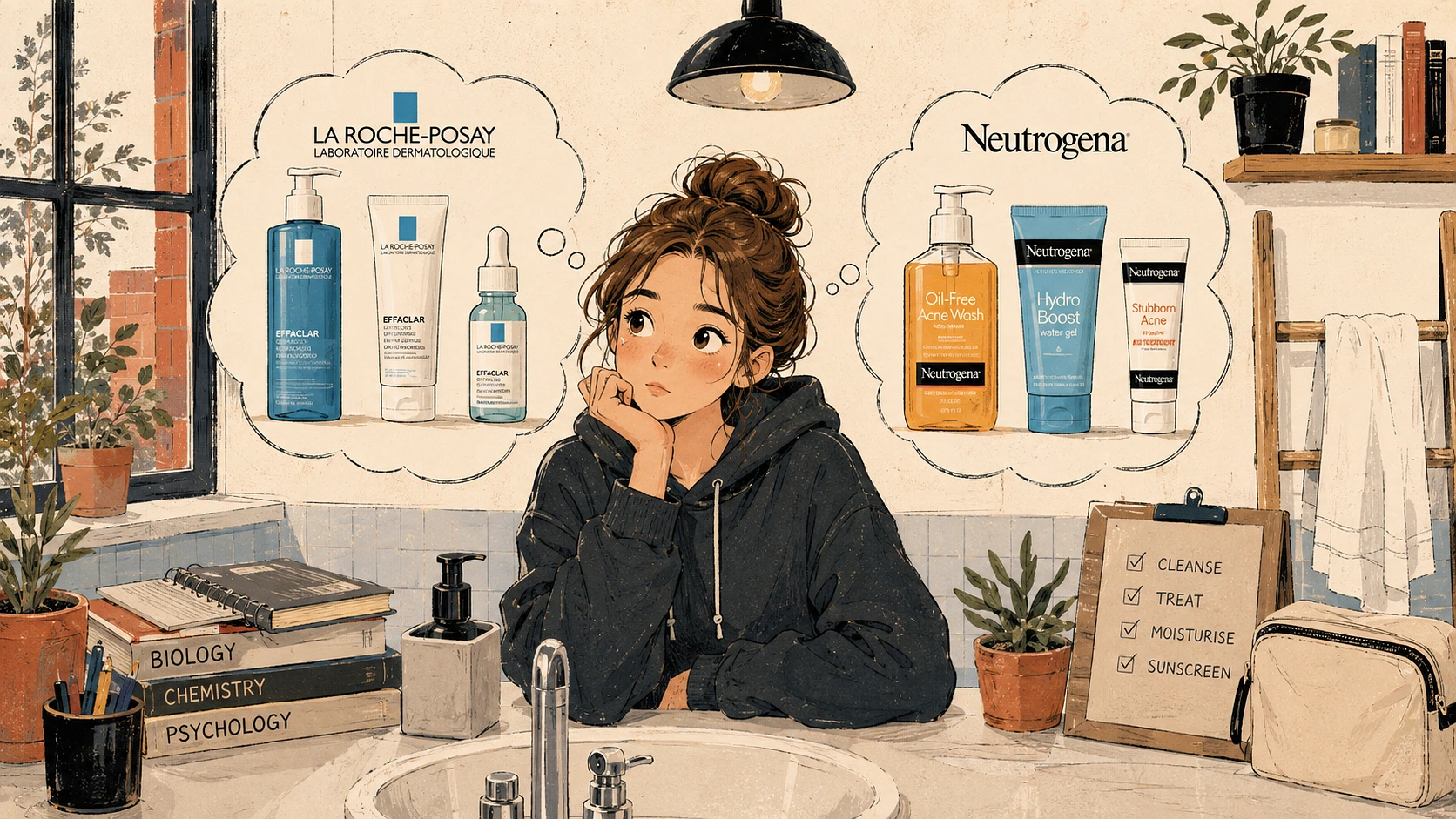
| Cleanser | Morning and night | Neutrogena Oil-Free Acne Wash, 2% salicylic acid | Around $9 |
| Treatment | Night, on breakout areas | La Roche-Posay Effaclar Duo, benzoyl peroxide | Around $32, lasts 3 months |
| Moisturiser | Morning and night | Neutrogena Hydro Boost Water Gel | Around $14 |
| Sunscreen | Every morning | Any SPF 30+ you will actually wear | Around $10 |
On that last line: benzoyl peroxide and salicylic acid both make skin more sun-sensitive. Using them without sunscreen means you’re treating acne with one hand and creating pigmentation with the other. It’s the step people skip and it’s the one that matters most long term.
Where Students Actually Go Wrong
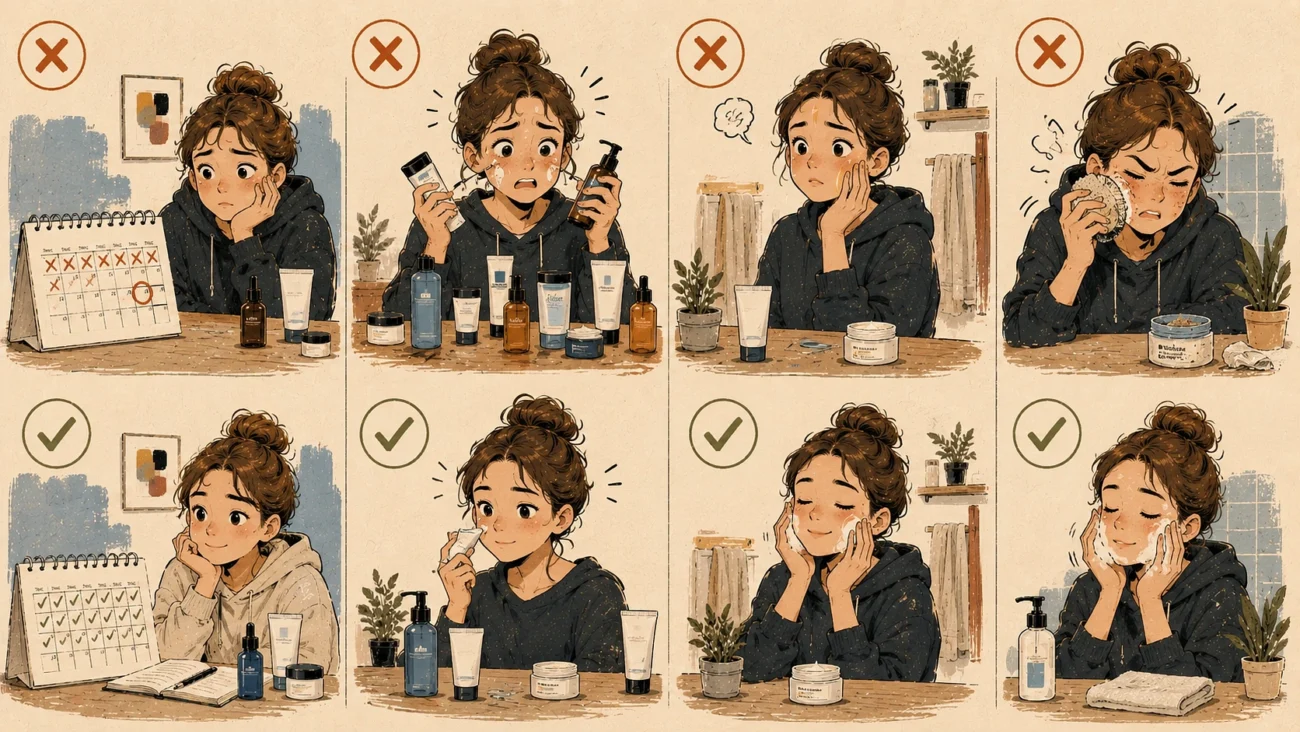
Judging it in a week:
Skin renews on roughly a month-long cycle. Eight weeks before you decide anything. Most people bail at day ten, switch products, restart the clock, and repeat that indefinitely.
Using more when it isn’t working:
Doubling the benzoyl peroxide doesn’t clear acne twice as fast, it wrecks your barrier, and damaged skin breaks out more. This one feels intuitive and is completely wrong.
Skipping moisturiser because you’re oily:
Acne treatments dry you out. Dry skin often ramps up oil production to compensate. The moisturiser isn’t a luxury step, it’s what keeps the treatment tolerable.
Attacking a spot with a scrub:
Physical exfoliation on inflamed acne spreads it and leaves a mark that outlasts the pimple by several months. Leave it alone.
Common Mistakes And Fixes
| Mistake | Result | Instead |
|---|---|---|
| Quitting after 1 to 2 weeks | Abandoning products that were working | Commit to 8 weeks |
| Using extra treatment | Barrier damage, worse breakouts | Follow label directions |
| No moisturiser | Dryness, rebound oil | Moisturise twice daily |
| Scrubbing spots | Marks lasting months | Leave them alone |
| Skipping sunscreen | Increased sensitivity and marks | SPF 30+ daily |
| Adding several new products at once | No idea what caused a reaction | One product every two weeks |
When Neither Brand Is The Answer
Both of these handle mild to moderate acne. Neither touches cystic acne, and no amount of shopping around will change that.
If you’re getting deep painful bumps under the skin, if you’re scarring, if two or three consistent months have produced nothing, or if it’s affecting how you feel about going out, stop buying things and see someone. Your campus health centre is included in fees you’ve already paid, and they can prescribe or refer. Prescription treatments operate on a level nothing on a drugstore shelf reaches, and every month you wait is more scarring to deal with later.
The Answer
No, La Roche-Posay isn’t better. It’s gentler, which is a different claim, and gentler is worth paying for only if your skin needs it.
Calm oily skin, buy Neutrogena. Reactive skin or a history of quitting because things burned, buy the Effaclar treatment and go cheap elsewhere. Then be extremely boring about it for two months, because consistency is doing most of the work here and neither brand can sell you that.
Declaimer: General information only, not medical advice. For persistent or severe acne, see a qualified dermatologist or your student health centre.