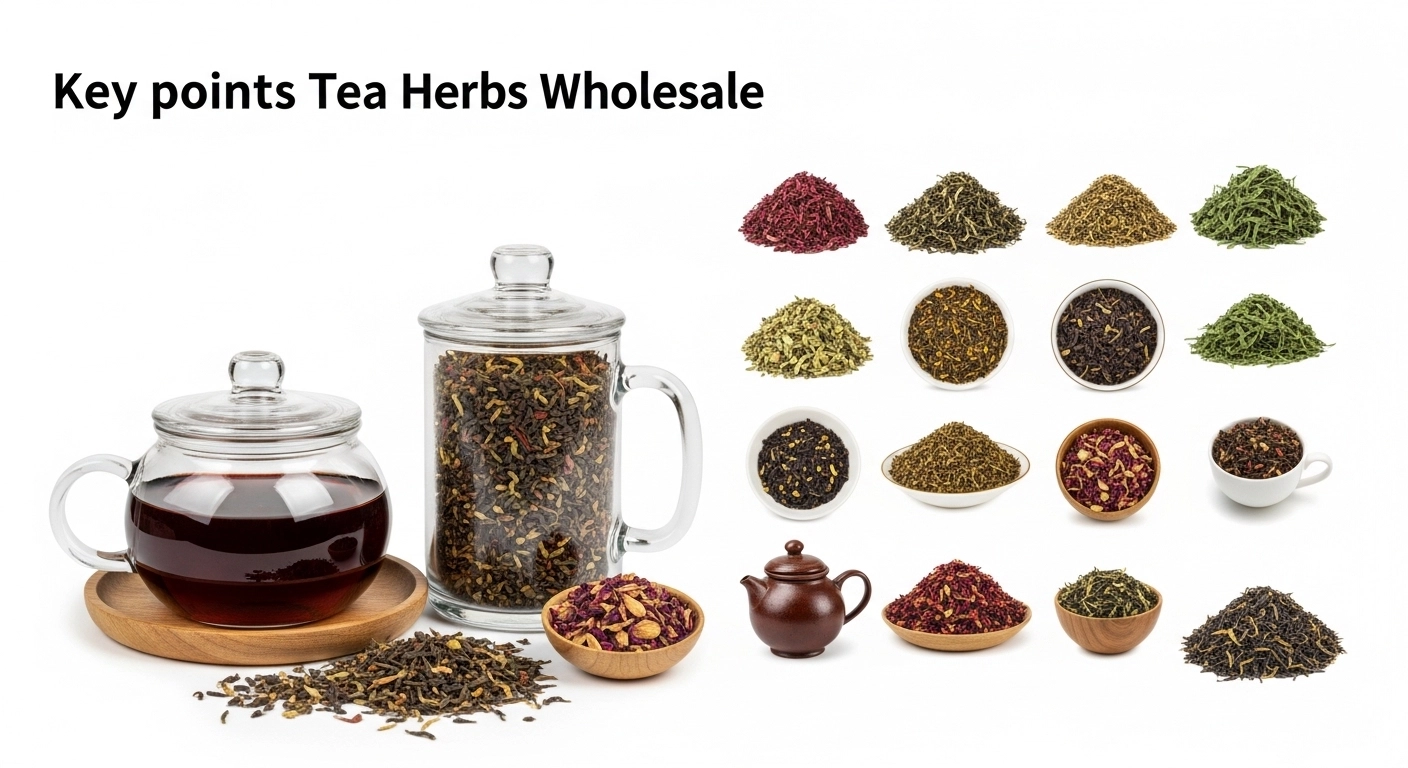
Many tea business owners eventually encounter the same obstacle. The blends are effective, repeat customers are present, and the product has established its audience, yet the numbers don’t align as expected. The margin looks fine until you actually run it against real costs, and then it doesn’t. Nine times out of ten, the problem isn’t the product. It’s the sourcing. Retail herb purchasing is quietly one of the most expensive habits a growing tea business can have, and most owners don’t clock it until the damage is already done.
Switching to tea herbs wholesale tends to surface problems that were always there and fix them faster than most people expect.
Batch Variation Ruins Blends
Here’s something wholesale suppliers understand that retail customers rarely think about. Herbs aren’t a stable commodity. Chamomile harvested in a dry season tastes sharper and more apple-forward than chamomile from a wet one. Peppermint grown at altitude has a higher menthol content than lowland varieties. When a tea business sources retail, it’s buying whatever stock is aggregated and available and that changes constantly.
Customers who fall in love with a particular blend are responding with a specific flavour profile. When that profile shifts because the chamomile batch changed, they notice, even if they can’t articulate why. Wholesale relationships with growers who manage consistent drying and processing conditions are the only reliable fix for this.
Small Quantities Kill Creative Range
The herb range a business can afford to hold directly determines how intriguing its blends can get. At retail volumes, holding a broad range of ingredients is genuinely expensive, which means most small tea businesses end up cycling through the same core herbs repeatedly. This type of purchasing changes this in a practical way holding larger quantities of a wider ingredient range becomes financially viable, and blending decisions stop being driven by what’s affordable to experiment with. Some of the more distinctive blends in the Australian market came directly from makers who had the stock range to try combinations they wouldn’t have touched at retail pricing.
Wholesale Suppliers Offer Intelligence, Not Just Stock
A decent wholesale supplier is an information source as much as a product source. They know which harvests are coming in short, which herbs are being affected by weather events in source regions, and which lots have quality issues before those issues reach the buyer. That kind of forward intelligence is genuinely useful for planning it means a business can stock up ahead of a shortage rather than scrambling for alternatives mid-production. None of this activity happens at the retail level. Retail is transactional. Wholesale, done properly, is collaborative.
Storage Is an Advantage, Not a Burden
The hesitation most small businesses have around wholesale purchasing of tea herbs is storage. Holding more stock feels like a risk. In practice, it’s the opposite. Businesses that can buy ahead and store correctly cool, dark, airtight, and away from anything with a strong odor have genuine flexibility that reactive buyers don’t. Seasonal herbs available at peak quality can be purchased at the right time and held, rather than sourced later at whatever quality happens to be on hand. That consistency flows directly into the finished product.
The Margin Reality
Wholesale herb sourcing doesn’t just reduce input costs it changes what a business can actually do with its pricing. A lower per-unit input cost creates room to invest in better packaging, absorb freight costs without passing them on, or simply price in a way that’s competitive without operating on razor-thin returns. Businesses that stay at retail pricing for their herbs often find themselves trapped unable to grow without the margin shrinking further, unable to hold margin without pricing themselves out of the market.
Conclusion
This type of sourcing is where serious tea businesses stop being reactive and start operating with some control over their outcomes. Consistency, creative range, supplier intelligence, storage flexibility, and margin all shift in the right direction at once. It’s not a guarantee of success, but it removes several of the structural problems that quietly cap how far a tea business can grow. The businesses treating wholesale sourcing as a foundation rather than an upgrade tend to reflect that in every part of how they operate.